Table of Contents
- Is Luxury Decor Worth It? The Core Question
- How to Spot High Quality Home Decor
- The Cost-Per-Use Framework for Luxury Pieces
- Timeless Home Decor vs. Trends: Building Longevity
- Resale Value and Long-Term Investment Potential
- How to Shop High Quality Decor Online
- The High-Low Mix Strategy: Balancing Investment and Budget
- Conclusion
- Frequently Asked Questions
Last Updated: September 2, 2026
Is Luxury Decor Worth It? The Core Question
Whether luxury decor is worth it depends on how you define value. A $3,000 sculptural side table may not deliver three times the utility of a $1,000 alternative, but it often delivers superior durability, aesthetic longevity, and long-term satisfaction.
At Verra Luxe Home, we empower discerning homeowners to personalize their environment with exclusive pieces that beautifully blend artistic elegance with practical functionality, enhancing everyday living. The real question isn’t whether luxury decor costs more, it does. The question is whether the premium aligns with what you actually get: superior craftsmanship, materials that age gracefully, and pieces that remain relevant for decades rather than seasons.
When you factor in cost-per-use, resale value, and durability, luxury decor becomes a financial decision as much as an aesthetic one. The math shifts dramatically once you account for longevity. What separates a smart luxury purchase from an expensive mistake is understanding whether a piece has material integrity, timeless design, verifiable craftsmanship, and realistic longevity for your needs.
How to Spot High Quality Home Decor
The difference between high-quality decor and mass-produced alternatives lives in details most people never examine. Quality shows up in how materials are joined, how finishes are applied, and whether the piece was designed to age gracefully.
Start with materials. Premium decor uses solid wood, genuine metals, natural fabrics, and materials that improve with time. Mass-produced pieces often use veneers, particle board, and synthetic finishes that chip or fade predictably. Run your hand across the surface, quality pieces feel intentional, and solid construction weighs more because there’s actual substance inside.
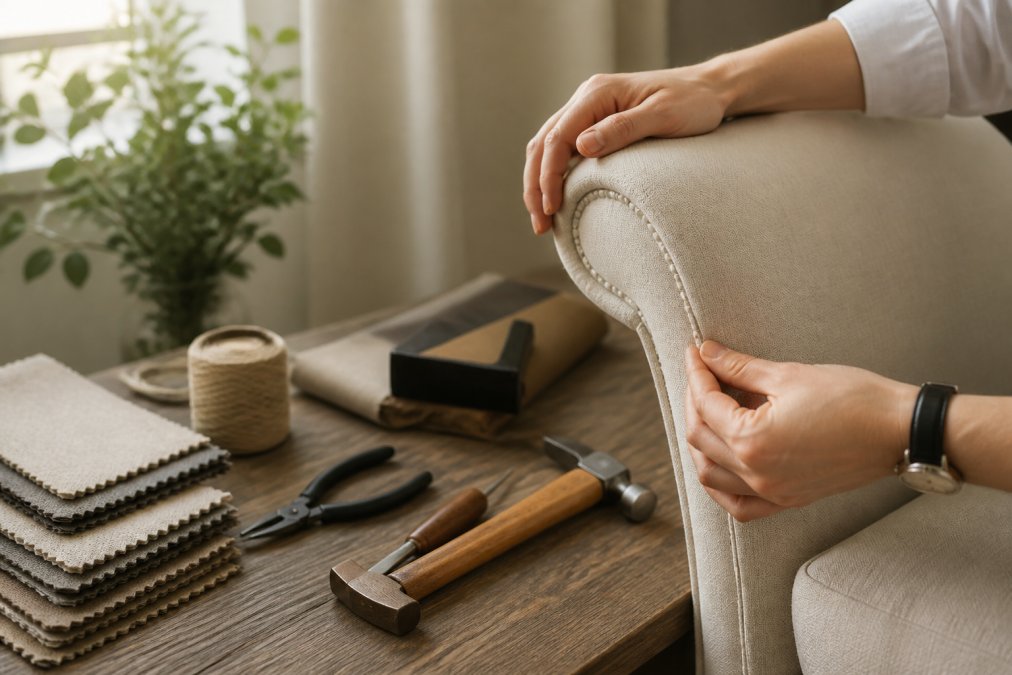
Look at joinery next. High-quality furniture uses mortise-and-tenon joints, dovetail construction, or reinforced connections that outlast glue and staples. Open drawers and look underneath, quality makers build the same way everywhere. Check for exposed fasteners that suggest rushed assembly versus seamless integration.
Finishes tell a story. Hand-applied finishes show variation and depth, while machine-applied finishes look uniform but wear predictably. Ask whether the finish is designed to patina gracefully or stay pristine forever. Pieces that age beautifully are built to last; pieces requiring constant maintenance are fighting against time.
Proportions matter more than most realize. High-quality decor is designed with intention around how it sits in space. Does it feel balanced? Does it relate properly to other pieces? When you examine a quality piece, you can sense that someone spent time thinking about how it would exist in a home, not just how it would look in a catalog photo.
The Cost-Per-Use Framework for Luxury Pieces
Cost-per-use transforms how you evaluate luxury decor. Instead of asking “Is this expensive?” ask “How many times will I engage with this piece, and over how many years?”
A $2,000 sculptural chair you sit in daily for 10 years costs roughly $0.55 per use. A $400 mass-produced accent chair you replace every 3 years costs about $0.37 per use initially, but buying it three times over 15 years means the real cost compounds significantly. Add in disposal, replacement hassle, and the fact that the luxury chair will still be beautiful while the cheap one is falling apart, and the math inverts completely.
Calculate your own framework by dividing purchase price by estimated years of use multiplied by frequency of engagement. A decorative object you see every day for 15 years is a different investment than a seasonal piece you rotate out annually.
This framework reveals something important: luxury is most worth it for pieces you interact with constantly and pieces that anchor a room’s aesthetic. A high-quality sofa, dining table, or bed justifies premium pricing because you’ll use it hundreds of times per year for years. A decorative accent piece you glance at occasionally needs different evaluation.
If you buy a $600 decor piece that lasts 5 years, you’re spending $3,000 over 25 years replacing it five times. A $2,000 luxury piece lasting 25 years costs less over the same period, plus you avoid disruption and decision fatigue.
Timeless Home Decor vs. Trends: Building Longevity
The worst luxury purchase is a trendy one. Trends fade; timeless design survives them.
Timeless pieces have clean lines, neutral color palettes, and proportions that feel right regardless of fashion. They don’t announce “I’m from 2026”, they announce “I’m well-made and I belong here.” A mid-century modern credenza still looks sophisticated; a piece designed around 2024’s maximalist trend will feel dated within years.
High-end decor often uses neutrals, warm whites, soft grays, natural wood tones, and muted earth colors because these create a backdrop for change. You can swap pillows, artwork, and accessories seasonally without foundational pieces feeling outdated. Natural materials like solid wood, leather, stone, and metal age beautifully and feel relevant across decades. Synthetic materials and trendy finishes often look cheap within years.
Proportions matter more than novelty. Pieces designed with proper scale and balance work in different rooms, eras, and design contexts. A sculptural wooden table works in minimalist, traditional, eclectic, and transitional spaces. Pieces that only make sense in one specific aesthetic become liabilities.
The real investment in timeless decor is choosing pieces that work with multiple design directions, so you’re not locked into a single aesthetic.
Resale Value and Long-Term Investment Potential
High-quality pieces hold value. Some actually appreciate.
A designer sofa, limited-edition lighting piece, or artisanal furniture from a known maker can sell for 40-60% of its original price if in good condition. Mass-produced pieces sell for 5-15% of original cost, if at all. The gap is enormous.
Certain makers and design collaborations hold value better than others. Limited-edition pieces and items from makers with strong reputations appreciate or hold value because demand exceeds supply. Production-line items depreciate immediately because supply is infinite.
Condition matters more for resale than continued personal use. A piece that’s held up beautifully proves durability and retains value. Pieces showing wear or damage lose value quickly, creating an incentive to buy quality.
Knowing you can recover 50% of your investment if you change your mind reduces the risk of a major purchase. You’re not trapped with a $3,000 mistake. Some pieces actually appreciate, vintage designer furniture and limited-edition collaborations sometimes sell for more than their original price, making luxury decor function as a genuine investment.
How to Shop High Quality Decor Online
Shopping for luxury decor online requires a different approach than browsing mass-market retailers. You’re evaluating craftsmanship and materials through a screen, which demands deliberation.
Start by understanding the maker. Who designed this piece? What’s their background? Do they have a track record of quality? Reputable makers publish information about their process, materials, and construction. If a maker won’t explain how something is made, that’s a signal.
Read product descriptions carefully. Look for specific material information: “solid walnut” not “wood,” “full-grain leather” not “leather,” “brass hardware” not “metal.” Vague descriptions often hide inferior alternatives. Descriptions including construction details, mortise joints, hand-finished, or made-to-order signal quality. Premium descriptions focus on how it’s built.
Examine photographs carefully. Request close-ups of joints, stitching, and material texture. High-quality makers provide these because they’re proud of the work. Look at realistic room styling rather than sterile studio settings.
At Verra Luxe Home, we curate pieces specifically for how they work together and in real spaces. Our collection prioritizes craftsmanship and material integrity over trend-chasing.
Check return policies and guarantees. Premium makers often offer extended return windows and warranties because they’re confident in durability. A 30-day return window on a $3,000 piece is a red flag; a 90-day window or longer suggests the maker stands behind the work.
Ask about customization. Makers offering custom options typically build to order rather than pushing inventory, and custom options mean you get exactly what works in your space.
The High-Low Mix Strategy: Balancing Investment and Budget
You don’t need all luxury decor to create a sophisticated space. The high-low mix strategy, combining investment pieces with accessible alternatives, is how most discerning homeowners actually decorate.
Invest heavily in pieces you use constantly and pieces that anchor the room’s aesthetic. Buy more strategically on supporting pieces that complete the look without breaking the budget.
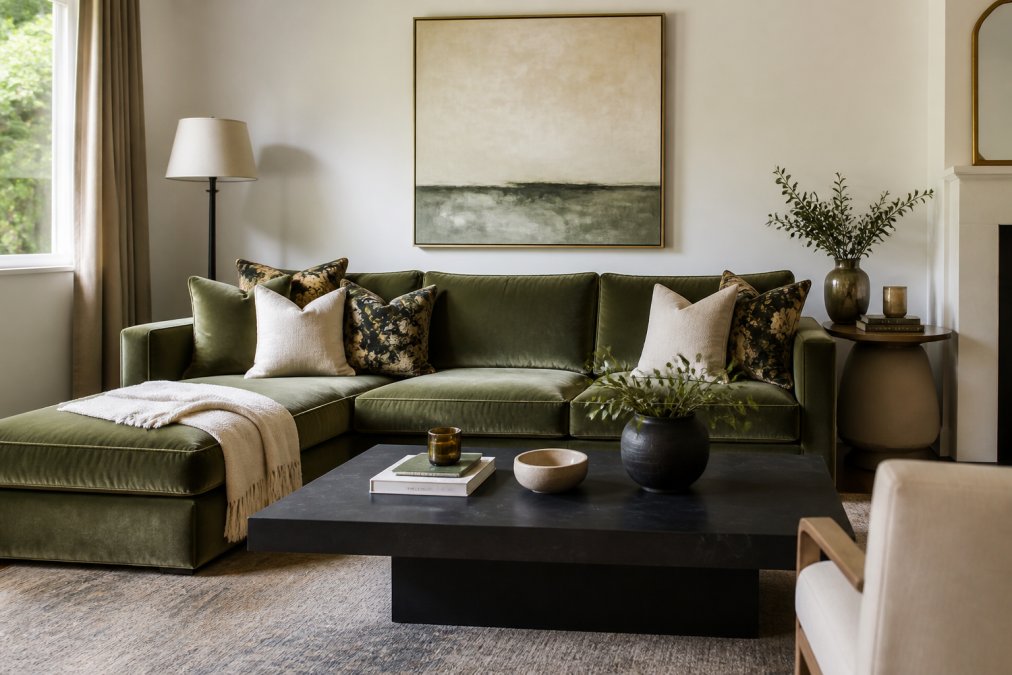
Identify your anchor pieces first. In a living room, that’s usually the sofa. In a bedroom, it’s the bed frame and nightstands. In a dining space, it’s the table. These deserve the investment. A $4,000 sofa paired with $300 tables and $100 lamps creates visual hierarchy that works. A $300 sofa with $2,000 tables looks confused.
Once you’ve invested in anchors, you have flexibility elsewhere. Well-designed accessible pieces can fill supporting roles beautifully. Wall art, accessories, textiles, and smaller decorative pieces can be more budget-conscious without compromising the overall aesthetic.
The mix strategy also lets you update without starting over. If you want to refresh your space in three years, you can replace affordable pieces while keeping your investment anchors. Color and material consistency matter more than price consistency, a room where everything coordinates looks better than one where everything is expensive but visually chaotic.
Conclusion
Luxury decor is worth it when you approach it as an investment in longevity, not as a status symbol. The pieces that justify premium pricing are those built with superior materials, designed to age gracefully, and selected for how they’ll function in your actual life.
The math works when you factor in cost-per-use, resale value, and durability. A $3,000 sofa lasting 20 years is a better financial decision than a $600 sofa you replace four times. Quality pieces hold their value, work across design changes, and improve with time rather than deteriorating.
At Verra Luxe Home, we’ve curated a collection specifically designed around this principle, pieces selected for craftsmanship, material integrity, and ability to anchor a sophisticated home for years. Our collection blends artistic elegance with practical functionality, ensuring each piece proves its worth through durability and timeless appeal.
Start by investing in your anchor pieces. Build around them with a high-low mix that lets you create a cohesive, sophisticated space without overextending your budget. Focus on material quality, timeless design, and pieces you’ll actually use. The premium you pay upfront becomes irrelevant when you’re still loving the piece a decade later.
American Furniture Manufacturers Association guidelines on furniture durability standards
Consumer Reports’ guide to evaluating furniture quality and construction
The Sustainable Furnishings Council’s standards for responsible luxury furniture production
| Evaluation Criterion | What to Look For | Why It Matters |
|---|---|---|
| Materials | Solid wood, genuine leather, natural fabrics | Durability and aging characteristics |
| Joinery | Mortise-and-tenon, dovetail, reinforced joints | Longevity and structural integrity |
| Finish | Hand-applied or designed to patina | Graceful aging vs. visible wear |
| Design | Timeless proportions and neutral palettes | Relevance across years and design trends |
| Maker Transparency | Detailed construction information provided | Quality confidence and accountability |
| Cost-Per-Use | Annual engagement × years of ownership | True financial value over time |
Frequently Asked Questions
Does luxury home decor increase in value over time?
Some luxury decor does appreciate, particularly investment pieces from established designers, limited-edition items, and artisanal pieces with strong provenance. However, most decor depreciates like furnishings, the exception is when pieces become collectible or when their aesthetic value transcends trends. Heirloom-quality items with material integrity and timeless design tend to hold value better than trend-driven luxury pieces. Resale value depends heavily on condition, designer reputation, and market demand.
What’s the difference between luxury decor and mass-produced items?
Luxury decor typically features superior craftsmanship, high-end materials, limited production runs, and thoughtful design details. Mass-produced items prioritize cost efficiency and volume. Luxury pieces often use durable materials like solid wood, genuine metals, and quality fabrics, while mass-produced alternatives may use veneers, composites, or lower-grade materials. Luxury items are designed for aesthetic longevity and functional durability, whereas fast furniture is engineered for shorter lifespans. You’re paying for material integrity, artisanal production, and design provenance.
How do I know if a high-end decor piece will actually work in my home?
Evaluate your space’s color palette, architectural style, and existing furniture before purchasing. Consider scale, measure doorways and room dimensions to ensure pieces fit physically and visually. Look for items with timeless design characteristics rather than trend-driven aesthetics, so they integrate seamlessly with your current decor. When shopping high quality decor online, review multiple photos from different angles and lighting conditions. Check return policies to allow for trial periods, and consider how the piece’s material patina and aging will complement your space over time.
What’s the best way to evaluate whether luxury decor is worth the investment?
Use the cost-per-use framework: divide the piece’s price by the number of years you’ll realistically own it and the daily or weekly use it receives. A $2,000 statement chair used daily for 10 years costs roughly $0.55 per use, often justified for investment pieces. Also assess material integrity, designer reputation, durability claims, and whether the piece has aesthetic longevity. Compare total ownership costs including potential maintenance and restoration. For high-end interior styling, luxury pieces that anchor a room or serve as functional art typically justify their cost better than purely decorative items.
This article was written using GrandRanker