Table of Contents
- Understanding What Makes Decor Timeless
- Build Your Foundation with Neutral Color Palettes
- Select High-Quality Natural Materials That Endure
- Master Timeless Interior Design Principles
- How to Mix Modern and Traditional Decor Effectively
- Use Decor Accent Pillows and Soft Furnishings Strategically
- Invest in Pieces Built for Longevity and Care
- Conclusion
Last Updated: August 28, 2026
Understanding What Makes Decor Timeless
Timeless decor transcends temporary trends through restraint, quality, and intentional curation. The distinction lies in three elements: material quality, design simplicity, and purposeful restraint. Homeowners who successfully build timeless spaces make decisions based on longevity rather than novelty. When you invest in pieces you genuinely love and pair them with functional design and quality materials, spaces age gracefully instead of falling apart.
Build Your Foundation with Neutral Color Palettes
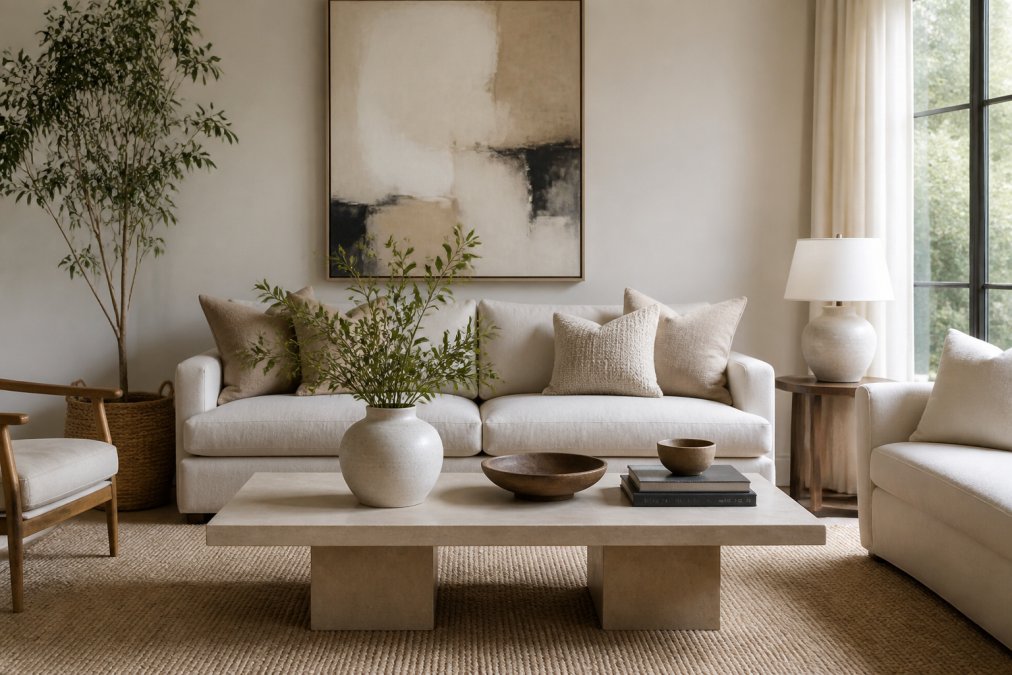
A neutral color palette forms the backbone of timeless interiors. Warm whites, soft grays, warm beiges, and muted earth tones create visual calm and allow individual pieces to shine. Neutral doesn’t mean boring; depth comes from layering different shades within the same family and incorporating subtle variations in undertone.
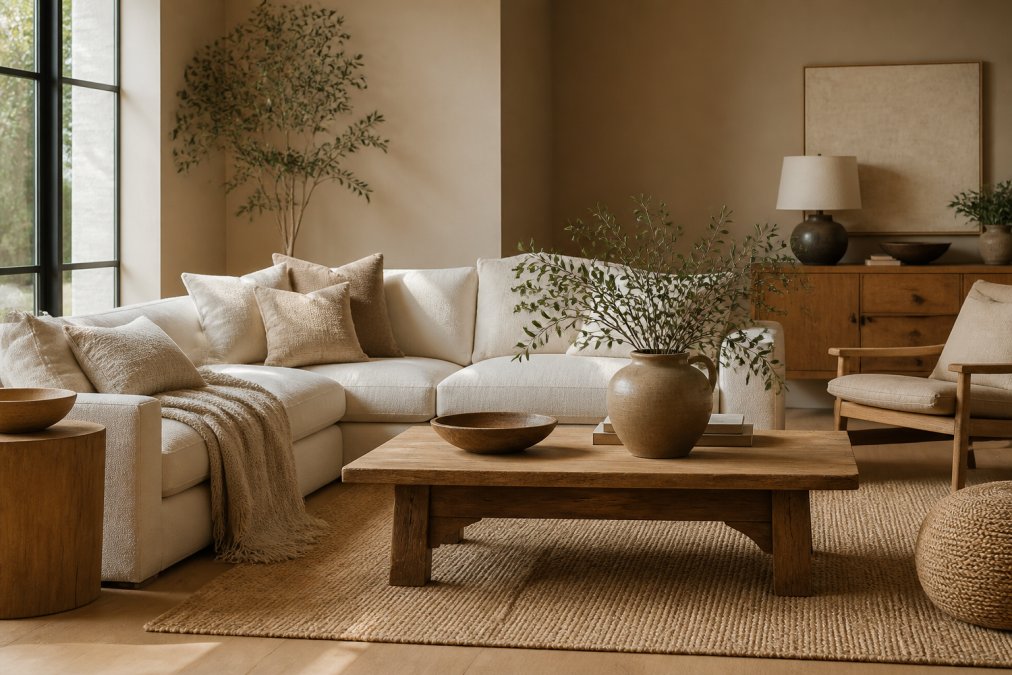
Consider the natural light in your space. North-facing rooms benefit from warmer neutrals that compensate for cooler light, while south-facing spaces can handle cooler grays and whites. Limiting your palette to 3-4 core colors prevents visual fatigue and creates cohesion. Choose one dominant neutral for walls, a secondary neutral for larger furniture pieces, and one or two accent neutrals for textiles and smaller decor items. This restraint makes spaces feel intentional rather than random.
The timeless appeal of neutral palettes lies in their flexibility. As your taste evolves, you can shift accent colors through pillows, artwork, and accessories without repainting walls or replacing major furniture.
Select High-Quality Natural Materials That Endure
Natural materials, wood, stone, linen, wool, leather, and ceramic, form the foundation of decor that lasts. These materials age beautifully, developing patina and character rather than deteriorating into obvious wear. High-quality natural materials improve with age, remain durable for daily use, and require reasonable maintenance rather than constant replacement.
Wood Furniture and Flooring
Solid hardwood pieces with proper finishing can serve multiple generations. Hardwoods like oak, walnut, and maple are more durable than softwoods like pine; expect solid hardwood furniture to last 20-50 years with maintenance. Refinishing typically occurs every 7-10 years for high-traffic surfaces, costing $300-$800 per piece. Between refinishing cycles, dust regularly with a soft cloth and use wood-specific cleaners monthly. Avoid prolonged exposure to direct sunlight, which fades finish and wood grain; use UV-filtering window treatments in south-facing rooms. Maintain indoor humidity between 30-50% to prevent warping and cracking (the CDC).
Leather Upholstery
Full-grain and top-grain leather improve with age, developing a patina that adds character. Bonded leather and faux leather flake and peel within 3-5 years and should be avoided if longevity is the goal (peer-reviewed research). Genuine leather requires conditioning every 6-12 months using leather-specific conditioners. Blot spills immediately with a dry cloth; never rub. Professional cleaning every 2-3 years costs $150-$400 per piece and removes embedded dirt that accelerates wear. Expect a quality leather sofa to remain functional and attractive for 15-25 years with consistent care.
Natural Fiber Textiles (Linen, Wool, Cotton)
Linen and wool rugs with higher pile density (40+ ounces per square yard) and natural dyes last significantly longer than synthetic alternatives. A quality wool rug can endure 15-20 years of regular household use. Professional cleaning every 12-18 months extends life and costs $100-$300 depending on rug size. Vacuum weekly using a suction-only setting. Rotate rugs quarterly to distribute wear evenly. Treat spills promptly with cool water and mild soap; never use heat or harsh chemicals.
Stone and Ceramic
Natural stone, marble, granite, limestone, slate, is nearly indestructible but requires sealing every 1-3 years to prevent staining and moisture penetration; sealing costs $200-$600 for a kitchen countertop. Wipe spills immediately, especially acidic substances like lemon juice or wine, which etch marble and limestone. Ceramic tile is lower-maintenance; it requires no sealing and lasts indefinitely with basic cleaning.
Material Durability and Cost-Per-Year Analysis
A solid hardwood table costing $2,000 and lasting 30 years costs approximately $67 per year. A particle-board table costing $400 and lasting 5 years costs $80 per year, higher despite the lower purchase price. A quality leather sofa at $3,500 lasting 20 years costs $175 annually; a polyurethane-coated fabric sofa at $1,500 lasting 6 years costs $250 annually. This perspective reveals that natural materials often represent better long-term value despite higher upfront investment.
When evaluating natural materials, examine construction methods alongside material choice. Solid wood furniture with mortise-and-tenon joinery outperforms particle board with stapled joints. Understanding these distinctions and committing to the maintenance they require is what separates decor that endures from decor that merely looks good initially.
Master Timeless Interior Design Principles
Timeless interior design principles operate independently of current trends. They’re rooted in spatial flow, visual balance, and functional design.
Functional layout forms the foundation of timeless design. Spaces that work well, where traffic flows naturally and seating encourages conversation, remain appealing regardless of aesthetic trends. Visual balance creates harmony without requiring matching or symmetrical arrangements. Asymmetrical balance, where different elements of varying visual weight create equilibrium, feels more sophisticated and timeless than rigid symmetry.
Every room benefits from one primary focal point, a fireplace, architectural feature, or intentional design element, that anchors the space. Secondary focal points support without competing. This hierarchy prevents rooms from feeling scattered or overwhelming.
Architectural integrity matters profoundly in timeless spaces. Rather than fighting your room’s existing features, work with them. Highlight original molding, embrace ceiling height, respect proportions. Layering creates depth and sophistication by combining textures, tones, and design elements in ways that feel curated rather than accidental.
How to Mix Modern and Traditional Decor Effectively
The most sophisticated timeless spaces blend modern and traditional elements rather than committing entirely to one era. Successful mixing requires understanding the specific visual mechanisms that make eclecticism feel intentional rather than accidental.
Establish a Clear Aesthetic Anchor
Successful mixing requires a clear anchor. Choose whether your primary aesthetic leans modern or traditional, then introduce complementary pieces from the other category. A traditional architectural shell with modern furniture and lighting feels intentional. Modern architecture with vintage accents feels equally deliberate. Your anchor should represent at least 60-70% of the room’s visual weight.
Use Proportion and Scale as Your Mixing Guide
Proportion and scale guide mixing decisions more reliably than era or style category. Pieces that relate proportionally to your space and to each other create cohesion regardless of their age. Measure your room’s proportions before purchasing. A room with 9-foot ceilings accommodates larger-scale furniture and artwork; a room with 8-foot ceilings feels cramped with oversized pieces.
When mixing eras, ensure that leg styles and base proportions relate to each other. A mid-century modern chair with tapered wooden legs works alongside an antique table with similar leg proportions. The visual language of the base, how the piece sits in space, matters more than the era it represents.
Create Visual Cohesion Through Shared Materials and Finishes
Design principles from the American Society of Interior Designers emphasize that successful eclecticism relies on shared visual language, common colors, materials, or finish treatments that tie disparate pieces together. Material consistency is more forgiving than era consistency. A room mixing wood, metal, and natural fiber textiles feels cohesive. Choose 2-3 primary materials and repeat them throughout.
Finish treatments should relate visually. Matte finishes pair well together; glossy finishes pair well together. Mixing matte and glossy creates visual tension that requires careful placement.
Layer Vintage and Modern Elements Strategically
Vintage furniture and antique accents provide character and authenticity that new pieces struggle to achieve. One meaningful vintage piece outweighs a room full of generic antiques. Modern pieces contribute functionality and clean lines that prevent spaces from feeling museum-like. When introducing a statement vintage piece, balance it with modern elements elsewhere in the room.
Avoid Common Mixing Mistakes
Don’t mix too many eras. Stick to two primary eras with occasional accent pieces from a third category. Don’t let color palettes clash; choose a unifying color temperature and select all pieces within that range. Don’t ignore architectural context; your pieces should respect the room’s existing character. Cohesion comes from thoughtful curation, not era matching.
Use Decor Accent Pillows and Soft Furnishings Strategically
Accent pillows and soft furnishings offer the most flexible way to introduce texture and visual interest while maintaining timeless appeal. Rather than scattering pillows randomly, group them intentionally. A sofa might feature three to five pillows in coordinating textures and tones, arranged to support both function and aesthetics.
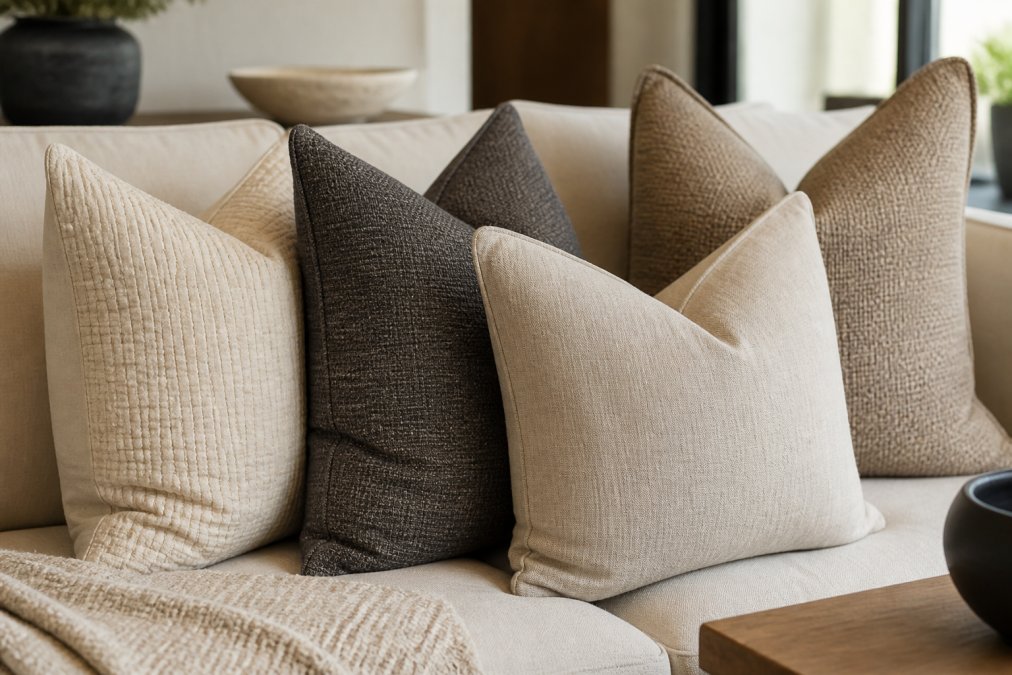
Texture layering through soft furnishings creates depth without relying on bold color. Combining linen, wool, cotton, and natural fiber blends introduces tactile interest and visual complexity. Choosing timeless decor through soft furnishings means prioritizing natural fibers and classic silhouettes over trendy patterns. A cream linen pillow with subtle texture remains appealing indefinitely.
Throw blankets serve both functional and aesthetic purposes. Natural fiber blankets age beautifully and improve with use. Area rugs anchor rooms and define spaces while introducing softness underfoot. Quality matters significantly; higher pile density and natural dyes ensure longevity.
Invest in Pieces Built for Longevity and Care
The most important decision in choosing timeless decor involves prioritizing quality and durability over quantity and novelty. Longevity begins with construction quality. Examine how pieces are made before purchasing. Solid wood joinery, reinforced frames, quality hardware, and finished interiors indicate pieces built to last.
Maintenance and care requirements should inform your purchasing decisions. Understand what each piece requires to remain beautiful and functional. Investment pieces deserve careful consideration to ensure they align with your vision and function well in your space. A piece that costs more but serves you for decades outperforms cheaper alternatives replaced every few years.
The cost-per-year calculation reveals true value. A sofa costing twice as much but lasting twice as long actually costs the same annually. Building a timeless home requires patience and intentionality. Rather than furnishing a space completely at once, acquire pieces gradually as you find items that genuinely resonate.
Choosing timeless decor demands a fundamental shift from trend-chasing to quality-focused curation. The spaces that remain beautiful across decades share common characteristics: neutral color palettes, natural materials, functional design, and intentional restraint. At Verra Luxe Home, we understand that timeless design begins with understanding your values and selecting pieces that reflect them. Our curated collection emphasizes quality, durability, and sophisticated design, pieces chosen to enhance your everyday living and inspire creativity in your space. Shop Now to discover decor built to endure.
| Design Element | Timeless Approach | Trendy Approach |
|---|---|---|
| Color Palette | Neutral foundations with subtle variation | Bold, saturated trending colors |
| Materials | Natural fibers and solid wood | Synthetic alternatives and veneers |
| Silhouettes | Classic, proportional forms | Fashion-forward, exaggerated shapes |
| Patterns | Subtle texture and tone variation | Bold, eye-catching prints |
| Accessories | Intentional, curated selection | Abundant, eclectic mixing |
| Maintenance | Embraced as part of ownership | Minimized or avoided |
Frequently Asked Questions
What is the 70/30 rule in interior design?
The 70/30 rule states that 70% of your decor should be timeless, neutral colors, classic silhouettes, and enduring materials, while 30% can reflect current trends or personal preferences. This balance ensures your space feels fresh without becoming dated. Apply this ratio to furniture, wall colors, and major design elements to protect your investment while maintaining flexibility for seasonal updates or accent pieces.
How do I know if decor accent pillows will actually coordinate with my existing furniture?
Choose accent pillows that share the same color family and material quality as your core furniture. Pull fabric samples from your sofa or chairs and compare them side-by-side with potential pillow options in natural light. Look for pillows in complementary textures, if your sofa is smooth linen, add pillows in wool or linen blends. Verra Luxe Home offers a curated collection of decor, which can help in selecting pieces that work cohesively.
What materials are best for timeless home decor that holds up with kids and pets?
Natural materials like solid hardwood, natural stone, wool, and linen age beautifully and resist wear. Leather develops character over time. Avoid materials that chip, fade easily, or require fragile care. Focus on heirloom-quality pieces with durable finishes and construction. Verra Luxe Home's collection includes decor crafted for beauty and durability, suitable for active family life.
How do I balance trendy accents with timeless furniture without creating a disjointed look?
Use the 70/30 rule: anchor your room with timeless furniture and neutral architectural elements, then introduce trends through easily replaceable items like accent pillows, artwork, or small decor pieces. Keep trendy accents in secondary spaces or low-commitment pieces. This approach lets you refresh your aesthetic without replacing major furniture investments, and ensures cohesion because your foundational design remains constant.
This article was written using GrandRanker
Leave a Reply