Table of Contents
- High-End Decor vs Mass Market: A Comparison Overview
- Key Differences: Material Quality, Craftsmanship, and Durability
- How to Identify Quality Furniture and Decor
- Benefits of Artisan Home Decor
- Investing in Heirloom Quality Decor
- Cost vs. Long-Term Value: The Hidden Economics
- Customization, Production Speed, and Lead Times
- Sustainability and Environmental Impact
Last Updated: August 21, 2026
High-End Decor vs Mass Market: A Comparison Overview
When homeowners invest in their living spaces, they face a fundamental choice: pursue high-end decor or mass market alternatives. High-end decor emphasizes craftsmanship, material quality, and longevity, while mass-produced options prioritize affordability and accessibility. At Verra Luxe Home, we’ve spent years curating collections that reflect the sophistication discerning homeowners deserve.
This guide breaks down the real differences between high-end decor vs mass market offerings, explores where each excels, and shows you how to blend both approaches strategically. You’ll learn to identify quality, understand true long-term value, and avoid common mistakes that leave homeowners with regret instead of sanctuary.
The core distinction: high-end decor prioritizes durability, unique design, and artisan craftsmanship; mass market decor prioritizes affordability and rapid trend adoption. The right choice depends on which pieces matter most to your home’s function and aesthetic.
Key Differences: Material Quality, Craftsmanship, and Durability
Material Quality and Longevity
High-end decor sources materials with decades of proven performance. Solid hardwoods, natural textiles, and genuine metals form the foundation of pieces designed to age gracefully. Mass-produced items often use veneers, particle board, and synthetic fabrics optimized for cost reduction rather than longevity.
A high-end upholstered piece with eight-way hand-tied springs and natural fabric will support daily use for 15-20 years (peer-reviewed research). A mass-market equivalent with sintered board frames and polyester blends may feel acceptable for 3-5 years before sagging and deterioration become obvious. Natural materials carry inherent advantages: solid wood develops patina and character, wool and linen improve with age, leather develops richness. These materials cost more upfront because they genuinely perform better over time.
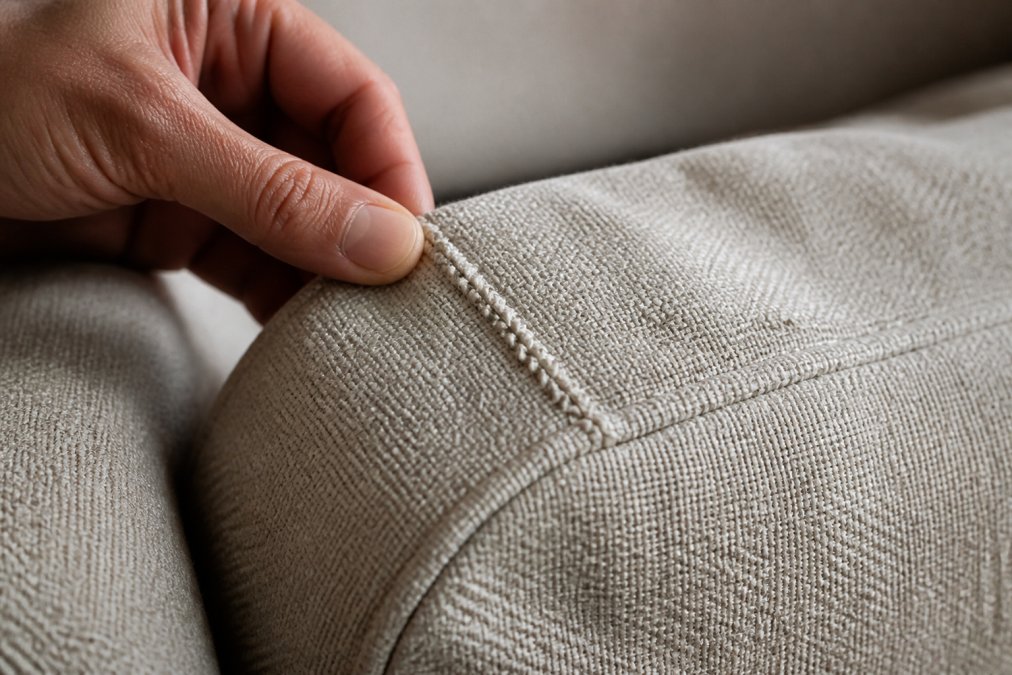
Consider the practical reality: replacing a mass-market sofa every five years costs more than investing in a high-end piece once. The math shifts when you factor in disposal costs, shopping time, and the frustration of premature failure.
Craftsmanship and Artisan Techniques
Artisan techniques distinguish high-end decor at every detail level. Hand-stitching creates stronger seams. Mortise-and-tenon joinery in furniture frames outlasts nails and staples by generations. Handcrafted finishes develop depth that spray-applied coatings cannot match.
Mass production prioritizes speed and standardization. A handcrafted wooden table shows grain variation and subtle color shifts; a mass-produced equivalent exhibits uniform appearance because machinery produces identical results. High-end pieces solve functional problems through thoughtful engineering. A luxury dining chair’s ergonomics come from years of refinement, not cost-cutting compromises.
Artisan makers often build in repairability. A high-end sofa can have its frame reinforced, springs replaced, or upholstery refreshed. Mass-produced furniture typically reaches end-of-life when a single component fails because replacement parts don’t exist or cost nearly as much as a new piece.
How to Identify Quality Furniture and Decor
Start by examining construction from underneath and behind. Open drawers and look at how sides attach to bottoms. Feel the weight; solid materials weigh more than veneers and particle board. Check for dovetail joints in drawers (a sign of quality) versus simple butt joints.
Run your hands across surfaces. Quality finishes feel smooth and warm; mass-produced finishes often feel plasticky. Examine wood grain patterns; authentic solid wood shows natural variation, while veneers display repetitive patterns. Ask about materials directly. Reputable makers list fiber content, wood species, and construction methods.
Test functionality. Sit in chairs for several minutes. Open and close drawers repeatedly. Quality pieces operate smoothly without gaps or binding. Look for transparency in sourcing and production. Brands that explain their supply chain typically stand behind their work.
Benefits of Artisan Home Decor
Investing in artisan home decor transforms your relationship with your space. Handcrafted pieces carry stories, the maker’s skill, the material’s origin, the design’s intentionality. Living with these pieces creates psychological satisfaction beyond aesthetics.
Artisan decor offers genuine uniqueness. When you purchase from a craftsperson or small producer, you’re acquiring something others won’t own. This distinction matters more than many realize. The sustainability angle deserves emphasis: artisan-made pieces last longer, reducing waste. When something breaks, repair is possible. Craftspeople often use sustainable materials and ethical labor practices because their reputation depends on it.
Artisan makers provide superior customer service. They understand their products intimately and can advise on care, repair, and longevity. Supporting artisan makers strengthens local economies and preserves traditional skills.
Investing in Heirloom Quality Decor
Heirloom quality represents the pinnacle of home decor investment. These pieces transcend trends and outlive owners. Start by choosing pieces you genuinely love, not pieces you think you should like. Heirlooms stay in homes for decades or generations.
Focus on foundational pieces: the sofa, dining table, bed frame, or area rug. These anchor rooms and justify investment. Quality construction determines heirloom potential. Examine joinery, materials, and finishes with the understanding that this piece will be handled thousands of times over decades.
Consider pieces that adapt to changing needs. A dining table that can extend serves growing families. Modular seating reconfigures as life changes. Neutral colors and classic silhouettes work across multiple interior design schemes. Maintenance and repairability define heirloom potential. Can this piece be professionally restored? Are replacement parts available? Can upholstery be refreshed?
Cost vs. Long-Term Value: The Hidden Economics
The price difference between high-end and mass market decor appears dramatic initially, but this comparison ignores the timeline that determines actual value.
Calculate cost per year of use. A mass-market sofa costing $800 that lasts five years costs $160 annually. A high-end sofa costing $2,400 that lasts twenty years costs $120 annually. The expensive option becomes cheaper when you factor in longevity. Add replacement costs, disposal fees, and shopping time, and the financial advantage shifts decisively toward quality.
Resale value matters for pieces you eventually replace. High-end furniture retains 40-60% of purchase price in secondary markets. Mass-produced items typically resell for 10-20% of original cost. Maintenance costs differ substantially. Quality pieces require basic care and occasional repairs. Mass-produced items fail unpredictably, requiring expensive fixes or replacement.
Psychological value shouldn’t be ignored. Living with pieces you love, that function beautifully, and that reflect your values creates daily satisfaction. Mass-produced items that disappoint or fail prematurely generate frustration and regret.
Customization, Production Speed, and Lead Times
High-end and artisan decor typically require longer lead times because pieces are made to order or produced in limited batches. Custom upholstery might take 12-16 weeks. This timeline frustrates homeowners accustomed to mass-market instant gratification, but it reflects how quality is actually created.
Mass production’s speed advantage is real but comes with trade-offs. Items ship within days because they’re manufactured in bulk, sitting in warehouses awaiting purchase. This model eliminates customization. You choose from existing options rather than creating something tailored to your space and preferences.
Customization transforms how decor functions in your home. Choosing fabric, wood species, finish, dimensions, and configuration details means the finished piece integrates seamlessly into your space. Lead times actually provide benefits. The waiting period forces intentional decision-making. Impulse purchases become impossible, reducing buyer’s remorse.
Production speed also affects quality control. Mass manufacturers prioritize volume, accepting higher defect rates as normal. Artisan makers inspect pieces individually before shipping. Defects are rare because quality control is built into the process.
Sustainability and Environmental Impact
The environmental cost of mass production extends far beyond the purchase price. Manufacturing millions of identical items consumes resources at scale. Rapid replacement cycles mean constant disposal and landfill accumulation. Synthetic materials take decades to decompose.
High-end decor typically uses sustainable materials by design. Solid wood comes from managed forests. Natural fibers biodegrade. Genuine leather ages beautifully rather than peeling and cracking like synthetic alternatives. Artisan production inherently favors sustainability. Small-batch manufacturing uses less energy than massive industrial facilities. Local production reduces transportation emissions.
Longevity is the ultimate environmental strategy. A piece lasting thirty years instead of five reduces environmental impact by 80% compared to replacements. A natural linen sofa cover can be composted at end-of-life. Polyester covers persist in landfills indefinitely. Solid wood furniture can be refinished or repurposed. Particle board furniture cannot be salvaged.
How to Mix High-End and Mass Market Decor
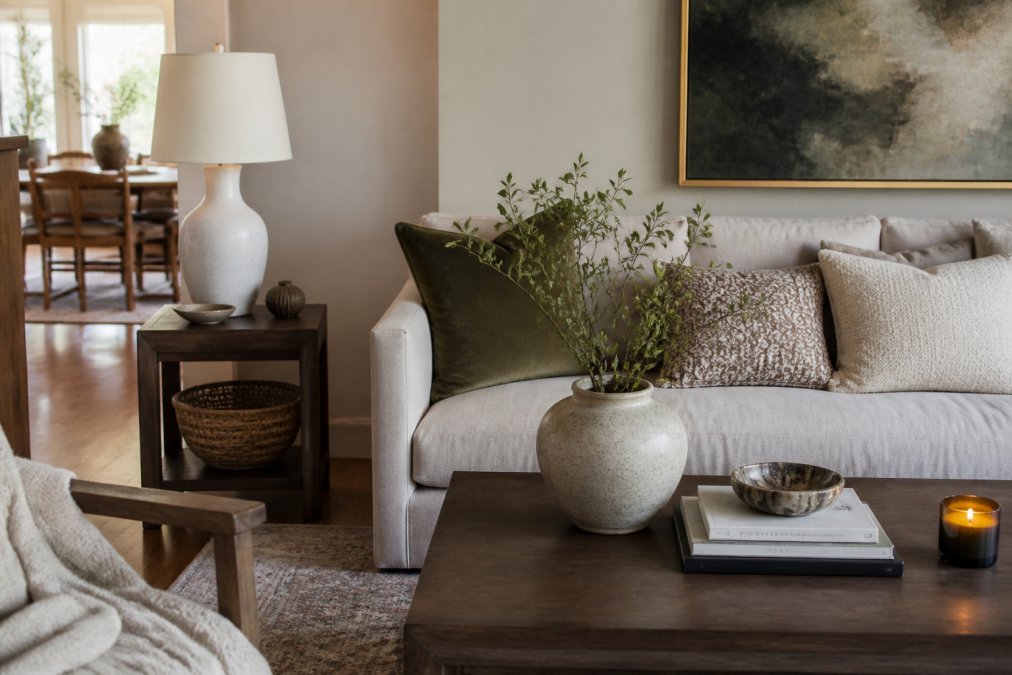
Strategic blending of high-end and mass-market pieces creates sophisticated interiors while managing budget constraints. The key is intentionality about which pieces deserve investment and which can be more accessible.
Invest in foundational pieces. Anchor your room with quality items you’ll live with long-term. The sofa, bed frame, dining table, or major case pieces justify higher investment because they carry visual weight and daily use.
Use mass market for accent pieces. Throw pillows, artwork, decorative objects, and seasonal accessories work beautifully at accessible price points. These items refresh easily when trends shift or tastes evolve.
Layer textures and materials intentionally. Mix a quality wool rug with accessible throw blankets. Combine a high-end upholstered chair with budget-friendly side tables. This approach creates visual interest while distributing investment strategically.
Prioritize visible surfaces. Invest in pieces people see and touch regularly. A quality sofa matters more than an expensive coffee table hidden behind it.
Use color and styling to unify. A room mixing high and low pieces feels cohesive when color palettes, styles, and proportions align. A well-designed accessible piece outperforms a poorly designed expensive piece.
Refresh strategically. Keep foundational pieces long-term while rotating accessories and accent items. A quality sofa stays for fifteen years while throw pillows change seasonally.
Plan for future integration. Choose foundational pieces in neutral tones and timeless silhouettes. This flexibility lets you add accessible pieces that complement without clashing.
Comparison Table: High-End vs Mass Market Decor
| Factor | High-End Decor | Mass Market Decor | Winner for Longevity |
|---|---|---|---|
| Material Quality | Solid wood, natural fibers, genuine leather | Veneers, particle board, synthetics | High-end |
| Expected Lifespan | 15-30+ years | 3-7 years | High-end |
| Customization | Extensive options, made-to-order | Limited selections, standardized | High-end |
| Lead Time | 8-16 weeks | Days to weeks | Mass market |
| Repairability | Parts available, professional repair possible | Often not repairable; replacement required | High-end |
| Resale Value | 40-60% of purchase price | 10-20% of purchase price | High-end |
| Cost Per Year | $120-200 annually (over 15-20 years) | $160+ annually (over 3-7 years) | High-end |
| Design Uniqueness | Distinctive, often exclusive | Widely available, standardized | High-end |
| Environmental Impact | Lower (longevity reduces waste) | Higher (frequent replacement) | High-end |
| Upfront Cost | Higher | Lower | Mass market |
The choice between high-end decor and mass market isn’t binary. Strategic homeowners blend both, investing in foundational pieces that define their space’s character while using accessible options for elements that evolve with trends and seasons. High-end decor excels at creating lasting sanctuaries; mass market excels at accessibility and experimentation.
Quality reveals itself through material, construction, and longevity. A high-end piece costs more because it genuinely performs better over time. The real mistake is treating them identically or assuming price alone determines value.
At Verra Luxe Home, we believe your home deserves pieces that reflect your values and enhance your daily life. Our curated collection emphasizes artisan craftsmanship, material integrity, and timeless design, the foundations of decor that ages beautifully rather than deteriorating rapidly. Learn more about sustainable luxury home design and how intentional curation transforms living spaces. Research on furniture longevity and environmental impact confirms that quality pieces reduce household waste significantly. Shop Now to discover pieces that become treasured elements of your home’s story.
Frequently Asked Questions
What are the primary differences between high-end and mass-market home decor?
High-end decor emphasizes artisan craftsmanship, premium materials, and unique design integrity, often featuring handcrafted details and sustainable sourcing. Mass-market decor prioritizes affordability and accessibility through bulk manufacturing and standardized production. High-end pieces typically offer greater durability and timeless appeal, while mass-market options provide budget-friendly solutions with faster availability. The choice depends on your priorities: investment in longevity versus immediate, cost-effective furnishing.
How can you tell the difference between artisan-made and mass-produced decor?
Artisan decor shows visible handcrafted details, natural material variations, and construction marks that reflect individual skill. Mass-produced pieces display uniform finishes, identical seams, and standardized dimensions. Examine joints, stitching, and wood grain closely. Artisan work often includes documentation of the maker or production process. Material quality differs too: artisan pieces use sustainably sourced, premium materials, while mass-market items typically use lower-cost alternatives. Ask sellers about production methods and material sourcing to verify authenticity.
Is high-end decor worth the investment for long-term home value?
High-end decor can increase perceived home value and appeal to discerning buyers, particularly when pieces reflect timeless design integrity rather than fleeting trends. Heirloom-quality pieces maintain aesthetic and functional value over decades, reducing replacement costs. However, resale value depends on condition, style longevity, and market demand. For personal enjoyment and durability, high-end decor justifies the investment through reduced maintenance, superior craftsmanship, and the ability to personalize your space authentically. Calculate long-term cost per use over 10-20 years to assess true value.
Does mass-market decor lack durability compared to premium alternatives?
Mass-market decor typically has shorter lifespans due to lower material quality and bulk manufacturing standards. Fabrics may fade faster, joints loosen more quickly, and finishes chip or wear unevenly. However, some mass-market pieces perform adequately for light use or temporary spaces. High-end decor, crafted with premium materials and artisan techniques, resists wear and maintains aesthetic appeal over years of daily use. For homes with children and pets, or for high-traffic areas, investing in durable, quality pieces reduces replacement frequency and delivers better long-term value.
What sustainability advantages does high-end decor offer?
High-end decor often prioritizes sustainable sourcing, ethical labor practices, and environmentally responsible production. Artisan makers frequently use natural materials, minimize waste, and support local supply chains. The longevity of premium pieces reduces landfill impact compared to frequently replaced mass-market items. Many high-end brands commit to transparency in sourcing and manufacturing. Mass-market production, while efficient, often relies on synthetic materials and rapid turnover. Choosing durable, thoughtfully crafted decor reduces overall environmental footprint by extending product lifespan and supporting responsible manufacturing practices.
This article was written using GrandRanker
Leave a Reply