Table of Contents
- Understanding the Fundamentals of Styling Luxury Decor Pieces
- Step 1: Establish Your Color Palette and Visual Foundation
- Step 2: Master Lighting to Elevate Your Space
- Step 3: Apply Luxury Home Decor Styling Tips for Impact
- Step 4: How to Arrange Luxury Accessories Strategically
- Step 5: Balance Modern and Traditional Styles
- Shop High Quality Decor Online: Sourcing and Maintenance Essentials
- Common Mistakes to Avoid When Styling Luxury Pieces
Last Updated: August 25, 2026
Understanding the Fundamentals of Styling Luxury Decor Pieces
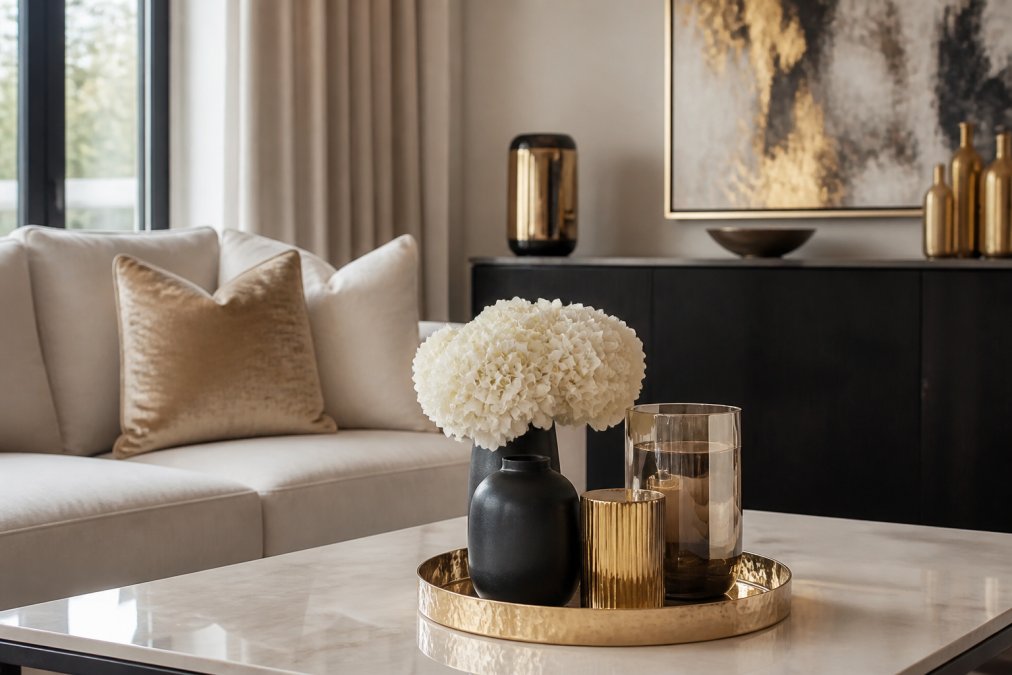
Styling luxury decor pieces is about intentional curation, not accumulation. At Verra Luxe Home, we believe true luxury emerges from understanding how pieces work together to create a cohesive, sophisticated environment. The difference between a curated room and a cluttered one comes down to restraint, proportion, and purposeful arrangement.
The Psychology Behind Luxury Space Design
Luxury spaces work because they tap into specific psychological responses: calm from uncluttered surfaces, confidence from balanced proportions, and pleasure from textures that reward touch. When you enter a truly luxurious space, you notice what’s there, not what’s missing. A room with fewer, higher-quality items feels more refined than one stuffed with mediocre pieces. Your brain registers the intentionality.
This explains why luxury spaces feel timeless. They rely on enduring design principles: balance, scale, proportion, and the interplay of light and shadow.
Quality Over Quantity: The Case for Curation
The most common mistake when styling luxury decor pieces is treating them like a collection to display all at once. Luxury design operates on the opposite principle: every item earns its place through beauty and function.
Curation means choosing five exceptional pieces over twenty adequate ones. When you apply this mindset, each item becomes a focal point. The eye can rest on it and appreciate its craftsmanship. This approach also protects your investment by ensuring high-quality pieces receive proper lighting, spacing, and appreciation.
Step 1: Establish Your Color Palette and Visual Foundation
Before arranging a single decorative item, establish the color palette that will tie everything together. This framework makes styling luxury decor pieces feel cohesive rather than random.
Selecting a Cohesive Color Palette
Your color palette sets the mood for the entire space. For luxury interiors, most designers work with two to three primary colors plus neutrals. This restraint creates sophistication.
Begin with a dominant neutral that will occupy the most visual real estate. Warm whites, soft grays, and warm beiges are popular because they recede visually, allowing your luxury decor pieces to take center stage. Next, select one or two secondary colors that reflect your aesthetic. Jewel tones signal a traditional approach; muted earth tones lean contemporary. The key is consistency: every piece should reinforce your primary palette or introduce a complementary accent.
The 70/30 Rule: Balancing Neutral and Accent Colors
The 70/30 rule is a practical framework for styling with color confidence (asid.org). Seventy percent of visible surfaces should be neutral tones; thirty percent can be accent colors. This ratio feels balanced to the human eye and maintains the calm, uncluttered feeling that defines luxury spaces.
In practice, walls, large furniture, and area rugs occupy the 70 percent neutral zone. Accent colors appear in throw pillows, artwork, and decorative accessories. This distribution creates visual hierarchy and guides the eye.
Step 2: Master Lighting to Elevate Your Space
Lighting transforms a room more dramatically than any single decorative element. In luxury spaces, lighting is design.
The Role of Lighting in Luxury Spaces
The difference between a sophisticated room and a flat one often comes down to lighting quality and strategy. Poor lighting can make expensive pieces look cheap; thoughtful lighting makes modest pieces feel precious. Light reveals texture, creates shadow and dimension, and sets emotional tone.
When styling luxury decor pieces, consider how light will interact with them. A sculptural ceramic vessel catches light differently than a smooth glass vase. Understanding these interactions helps you position pieces for maximum visual impact.
Layering Ambient, Task, and Accent Lighting
Professional designers layer three types of light: ambient, task, and accent. Ambient lighting provides general illumination through recessed lights or dimmable chandeliers. Task lighting serves specific functions like reading lamps. Accent lighting highlights your best pieces through picture lights or directional spotlights.
When you layer these three types, you create visual interest and flexibility. The color temperature of your bulbs matters too. Warm white light (2700K) feels luxurious and intimate, while cool white feels clinical (energy.gov). For styling luxury decor pieces, warm white creates the sophisticated ambiance that defines high-end interiors.
Step 3: Apply Luxury Home Decor Styling Tips for Impact
This is where your foundation comes to life through specific styling techniques that arrange luxury decor pieces intentionally and compellingly.
Mixing Textures and Materials
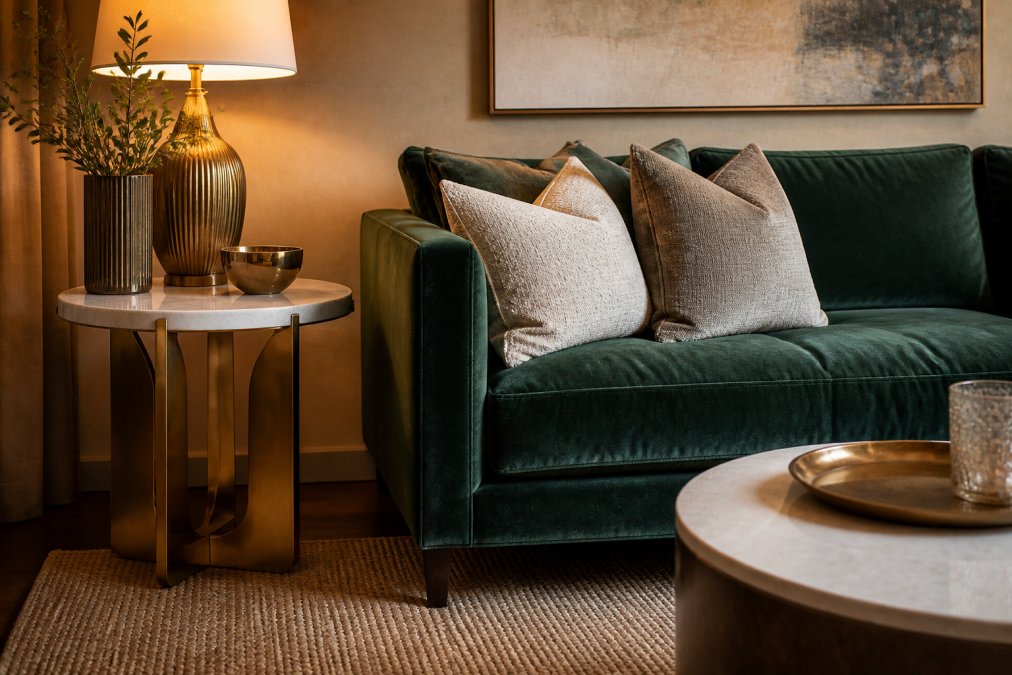
Luxury spaces feel rich because they engage multiple senses. Texture is the primary tool for this. A room with only smooth surfaces feels cold; one that mixes materials, wood, metal, glass, ceramic, fabric, stone, feels curated and sophisticated.
Intentionally combine contrasting textures: pair smooth marble with rough wood, sleek glass with handwoven ceramic, soft velvet with crisp linen. These combinations create visual interest and tactile appeal. Natural materials age beautifully and develop patina, telling a story. When you invest in pieces made from premium materials, you’re investing in longevity and timeless appeal.
Creating Focal Points with Statement Pieces
Every well-designed room has a focal point, a piece that naturally draws the eye. This might be large-scale artwork, a sculptural lighting fixture, or a carefully styled console table.
Your focal point should be your most striking piece. When styling luxury decor pieces, identify your focal point first, then build the rest of the composition around it. Everything else supports and enhances rather than competes. This creates visual order and guides the viewer’s attention through the space logically.
The 3-5-7 Rule for Balanced Composition
The 3-5-7 rule is a practical framework for arranging groupings of luxury decor pieces (asid.org). Arrange items in odd numbers: three pieces for small groupings, five for medium, seven for larger displays.
Odd numbers feel more natural and intentional than even numbers. Pair this with scale variation: include pieces of different heights and sizes within each grouping. A tall sculptural piece, a medium-sized object, and a smaller accent create visual interest and prevent arrangements from feeling monotonous.
Step 4: How to Arrange Luxury Accessories Strategically
Accessories are where styling luxury decor pieces becomes an art form. These smaller items, books, vessels, sculptural objects, textiles, transform a room from decorated to curated.
Styling Coffee Tables and Console Surfaces
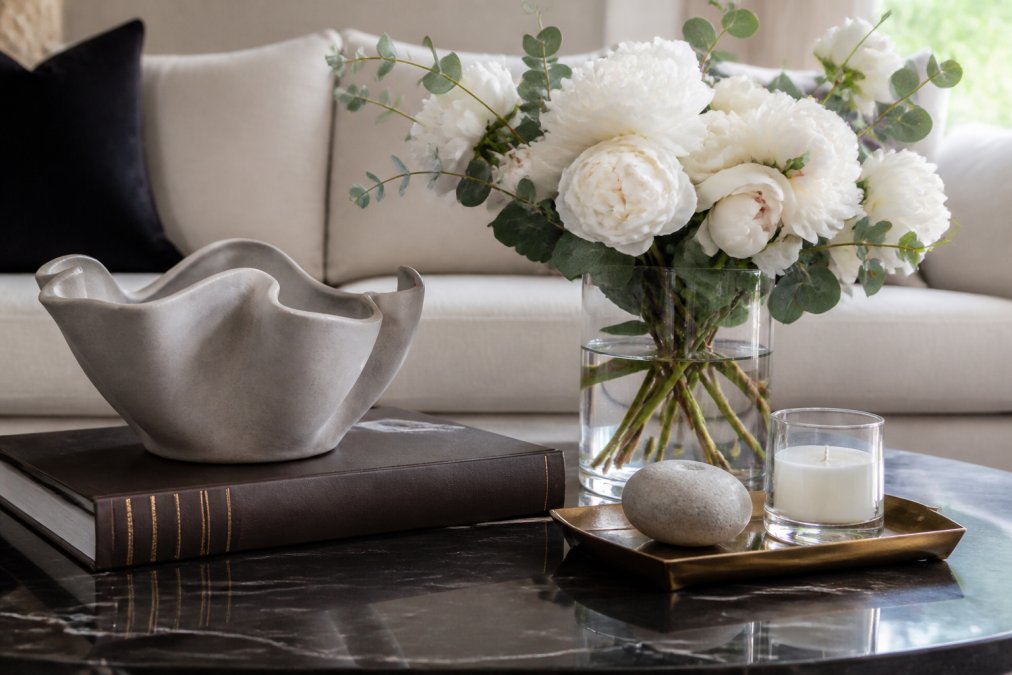
Coffee tables and consoles are prime real estate for styling luxury decor pieces. Approach your coffee table as a curated display. Start with a base layer: a beautiful coffee table book or sculptural object. Add a vessel that introduces texture. Include fresh or dried botanicals for organic softness. Finish with a small accent piece.
The key is intentional spacing. Don’t crowd the surface; leave breathing room around each piece. A sparse, well-edited coffee table feels more luxurious than a crowded one. Console tables deserve the same attention. Mirror the 3-5-7 rule: arrange pieces in odd numbers at varying heights, mixing functional and purely decorative items.
Incorporating Wall Art and Mirrors
Wall art introduces personality and visual drama. For maximum impact, choose pieces that are substantial in scale. A single large artwork feels more sophisticated than multiple small pieces scattered across a wall.
Mirrors deserve special attention in luxury spaces. They’re functional and decorative simultaneously. A well-placed mirror reflects light, expands perceived space, and highlights beautiful features or artwork. When styling luxury decor pieces, consider mirrors as active design elements.
Curating Decorative Accessories with Purpose
Every decorative accessory should earn its place through beauty, meaning, or contribution to the overall aesthetic. Ask yourself: Does this piece reflect my aesthetic? Does it enhance the color palette? Does it introduce a missing texture or material? Does it have quality craftsmanship?
Collect pieces intentionally over time rather than making impulse purchases. This naturally creates cohesion. Display accessories in ways that honor them: cluster small items on shelves rather than spreading them thinly, group similar materials together, and create visual relationships between pieces.
Step 5: Balance Modern and Traditional Styles
Most sophisticated spaces blend modern and traditional elements intentionally. This balance creates visual interest and prevents spaces from feeling dated.
When styling luxury decor pieces with mixed aesthetics, the key is intentionality. A contemporary sofa paired with a traditional side table works when both pieces are high quality and the pairing is deliberate. Consider your dominant aesthetic first. If the room is primarily modern, introduce traditional elements sparingly. If primarily traditional, add modern elements through lighting, artwork, or sculptural accessories.
The most successful mixed-style spaces share common threads: high-quality materials, thoughtful proportions, and intentional color coordination.
Shop High Quality Decor Online: Sourcing and Maintenance Essentials
Once you understand how to style luxury decor pieces, sourcing them strategically and maintaining them properly ensures your investment pays dividends.
Budget-Conscious Luxury Styling Strategies
Luxury styling doesn’t require unlimited funds. Strategic choices allow you to create high-end aesthetics within realistic budgets.
Invest heavily in foundational pieces, your sofa, area rug, and primary furniture. These anchor the room and deserve quality. Secondary pieces and accessories can be sourced more strategically. A beautiful throw pillow costs far less than a sofa but contributes significantly to the overall aesthetic.
Buy statement pieces gradually rather than all at once. This allows thoughtful curation and spreads costs over time. Consider mixing investment pieces with more accessible items: a high-end artwork paired with affordable frames, or a luxury lighting fixture combined with budget-friendly accessories.
When shopping for luxury decor pieces online, prioritize retailers known for quality and curation. Verra Luxe Home specializes in thoughtfully selected pieces that blend artistic elegance with practical functionality. Their curation process means each piece has been vetted for quality and design merit, saving you time filtering through countless options.
Maintenance and Care for Luxury Materials
Luxury materials require appropriate care to maintain their beauty and longevity. Natural wood requires protection from moisture and direct sunlight; dust regularly and use appropriate oils or waxes periodically. Marble and stone need sealing to prevent staining. Textiles require gentle care: vacuum upholstered pieces regularly and address spills immediately. Leather develops beautiful patina but needs conditioning. Metal accessories benefit from occasional polishing.
Understanding these requirements helps you make informed decisions about which materials suit your lifestyle.
Sustainable Luxury Sourcing
Luxury doesn’t have to mean new. Vintage and antique items bring history, character, and sustainability to your space. These pieces often feature superior craftsmanship compared to contemporary mass production and are environmentally responsible.
Quality contemporary pieces from ethical makers also support sustainable luxury. By choosing timeless pieces over trendy ones, you make an environmentally conscious choice. A piece you’ll live with for twenty years has far less environmental impact than multiple trendy items you’ll replace frequently.
Common Mistakes to Avoid When Styling Luxury Pieces
Understanding what not to do is as valuable as knowing what to do when styling luxury decor pieces.
Overcrowding surfaces: Luxury spaces breathe. They include negative space and uncluttered areas. Resist the urge to fill every surface.
Ignoring scale relationships: Tiny accessories on a large console or oversized pieces in a small space create visual discord. The largest piece in a grouping should be roughly one-third the height of the surface it sits on.
Inconsistent lighting: Poor or insufficient lighting undermines even beautiful pieces. Evaluate how light interacts with your arrangement and add task or accent lighting if needed.
Mixing too many styles: While balanced modern-traditional mixing works, chaotic style mixing reads as indecisive. Establish your dominant aesthetic first, then introduce complementary elements intentionally.
Neglecting maintenance: Luxury materials require appropriate care. Ignoring this leads to pieces deteriorating faster than they should, wasting your investment.
Forgetting about proportion: Vary the scale and proportion of items to create visual rhythm and balance.
Creating a sophisticated home through styling luxury decor pieces is fundamentally about making intentional choices that reflect your aesthetic and values. The principles outlined here, curation, balance, lighting, and strategic arrangement, apply regardless of your specific style or budget. When you approach your space with this framework, you move beyond decorating to genuine design. Your home becomes a reflection of your taste and a sanctuary that delights you daily. Verra Luxe Home’s thoughtfully curated collection of premium decor pieces is designed specifically to support this approach, offering exclusive items that blend artistic elegance with practical durability. Shop their collection today and transform your living space into the sophisticated sanctuary you deserve.
Frequently Asked Questions
What is the 3-5-7 rule in decorating?
The 3-5-7 rule is a styling principle that guides you to arrange decorative items in groups of three, five, or seven pieces rather than even numbers. This creates visual interest and a more natural, curated appearance. When styling luxury decor pieces, grouping a collection of three vases, five books, or seven candles on a shelf or console creates rhythm and sophistication that feels intentional rather than random or overcrowded.
How do you style luxury decor pieces on a coffee table?
Start by anchoring your coffee table with one statement piece, such as a luxury coffee table book or sculptural object. Add height variation by layering items at different levels. Include a functional element like a decorative tray to corral smaller items, then add texture through materials like marble, wood, or ceramic. Keep the arrangement balanced by leaving negative space and avoiding overcrowding. Rotate seasonal pieces quarterly to keep the look fresh while maintaining your cohesive aesthetic.
What is the 70/30 rule in interior design?
The 70/30 rule states that 70% of your space should feature neutral or subdued tones, while 30% can be bolder accent colors or statement pieces. This principle prevents your luxury decor from feeling chaotic while still allowing personality to shine through. When styling luxury decor pieces, use this ratio to determine how much of your wall color, furniture upholstery, and larger pieces should be neutral, reserving that 30% for art, throw pillows, accessories, and accent furniture that express your unique style.
How do you mix textures when styling high-end home decor?
Combine contrasting textures to add depth and visual interest to your space. Pair smooth surfaces like polished marble or glass with rough textures like linen or raw wood. Layer soft elements such as velvet or silk with harder materials like metal or ceramic. When styling luxury decor pieces, aim for at least three different textures per room to create a sophisticated composition. Ensure your texture choices complement your color palette and lighting, as different materials reflect light differently and contribute to the overall ambiance of your luxury living space.
This article was written using GrandRanker

Our Best Sellers
-
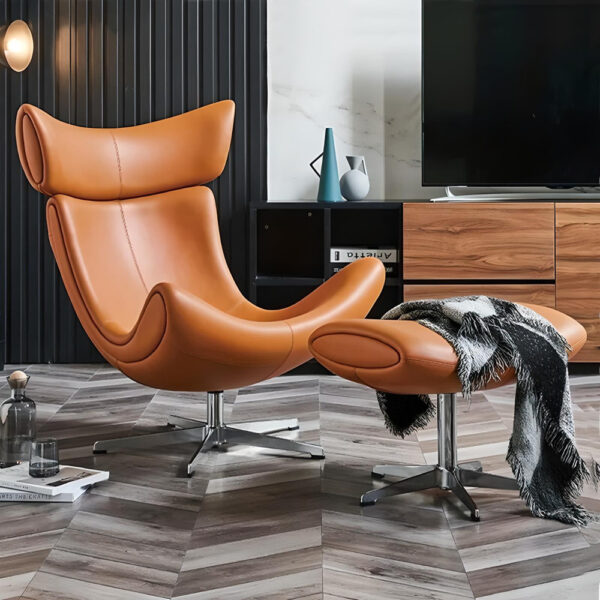 Luxury Modern Leather Leisure Chair & Ottoman Set for Living Room & Office
$2,599.99
Luxury Modern Leather Leisure Chair & Ottoman Set for Living Room & Office
$2,599.99
-
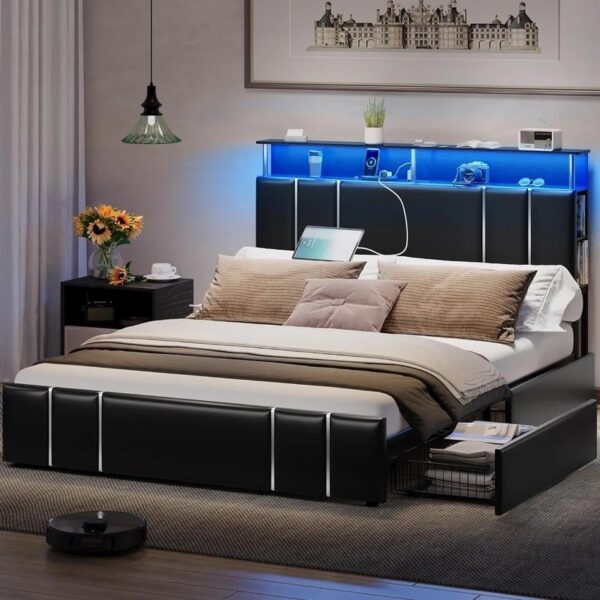 Queen Bed Frame with Storage, Bookcase Headboard, Charging Station & LED Lights
Price range: $865.65 through $985.95
Queen Bed Frame with Storage, Bookcase Headboard, Charging Station & LED Lights
Price range: $865.65 through $985.95
-
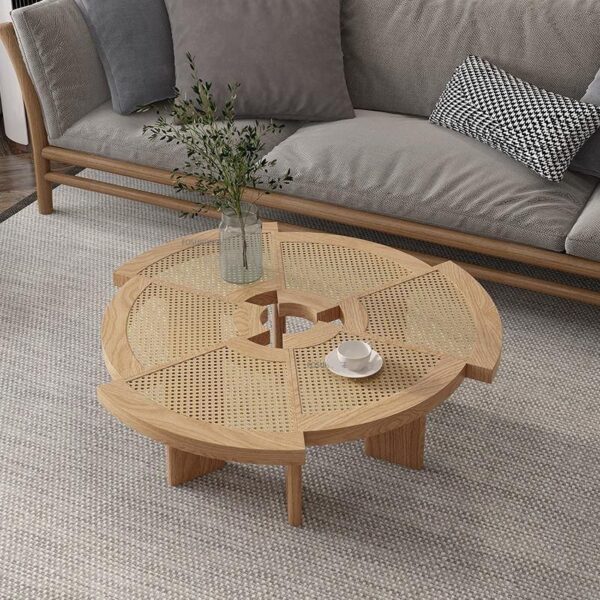 Minimalist Modern Ash Wood Rattan Coffee Table - Round Low Sofa Side Table
Price range: $1,749.99 through $1,799.99
Minimalist Modern Ash Wood Rattan Coffee Table - Round Low Sofa Side Table
Price range: $1,749.99 through $1,799.99
-
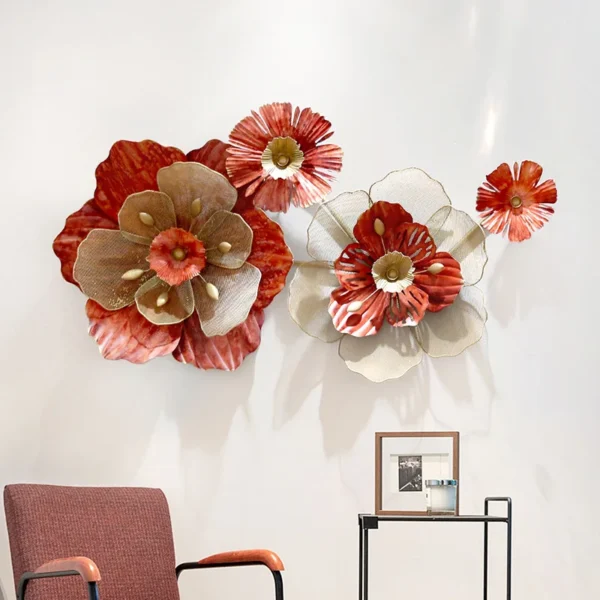 European Antique Wrought Iron Flower Wall Art
Original price was: $1,153.49.$824.49Current price is: $824.49.
European Antique Wrought Iron Flower Wall Art
Original price was: $1,153.49.$824.49Current price is: $824.49.
-
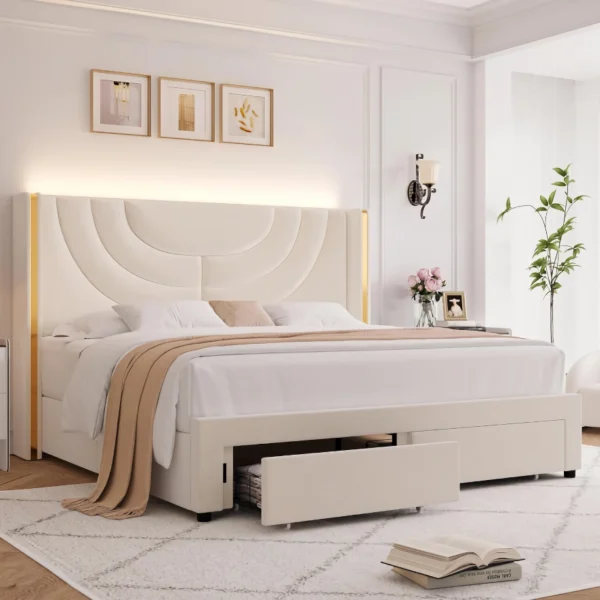 LED Bed Frame with Storage Drawers and Solid Wood Support
Price range: $999.49 through $1,125.49
LED Bed Frame with Storage Drawers and Solid Wood Support
Price range: $999.49 through $1,125.49
Leave a Reply