
How to Choose the Right Rug Size for Living Room
Selecting the perfect rug size for your living room can transform an ordinary space into a sophisticated, cohesive sanctuary that reflects your refined taste. The right rug doesn't just cover your floor—it defines zones, anchors furniture, and creates visual harmony that elevates your entire home's aesthetic. Whether you're designing a minimalist haven or a maximalist paradise, understanding rug proportions is essential for achieving that coveted designer look without the designer price tag.
Understanding Standard Living Room Rug Sizes
Modern living rooms demand intentional design choices, and rug sizing is no exception. The most common rug dimensions for living spaces range from 5'x8' for compact apartments to 12'x15' for expansive open-concept homes. However, the key lies not in following rigid rules but in understanding how each size interacts with your specific furniture arrangement.
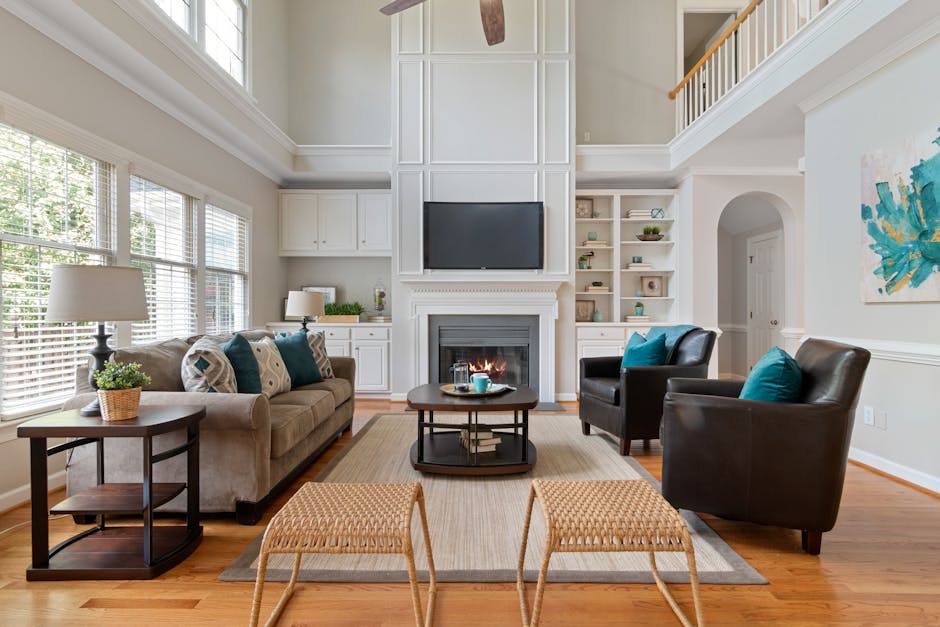
The 8'x10' rug remains the sweet spot for most standard living rooms, offering enough surface area to ground your seating arrangement while maintaining proper proportions. For larger spaces, consider a 9'x12' or 10'x14' to create that luxurious, high-end look that makes guests assume you hired an interior designer.
Rectangular rugs dominate modern decor trends, but don't overlook round options for creating unexpected visual interest. A 8' or 9' diameter circular rug can soften angular furniture and add organic flow to contemporary spaces, particularly when paired with curved sectionals or circular coffee tables.
The Art of Furniture Placement and Rug Positioning
The most sophisticated living rooms follow strategic furniture placement principles that create visual weight and flow. Your rug should serve as the foundation that unifies your seating arrangement, not an afterthought floating awkwardly in space.

For the coveted "all furniture on the rug" approach, ensure your rug extends at least 6-8 inches beyond your sofa and chairs on all sides. This creates a cohesive, grounded look that screams intentional design. If budget constraints require a smaller rug, the "front legs only" method works beautifully—position your rug so the front legs of all seating pieces rest comfortably on the surface while back legs remain on the floor.
The coffee table deserves special attention in your layout planning. Ideally, your rug should extend 12-18 inches beyond your coffee table on all sides, allowing for comfortable movement and creating breathing room that prevents your space from feeling cramped. This proportion ensures your coffee table appears intentionally placed rather than randomly positioned.
According to interior design experts at Elle Decor, one of the most common decorating mistakes is choosing a rug that's too small, which can make even expensive furniture look cheap and disconnected.
Room Layout Configurations and Size Selection
Your living room's layout should dictate your rug choice, not the other way around. Different furniture arrangements require specific rug dimensions to achieve that polished, magazine-worthy appearance you're craving.

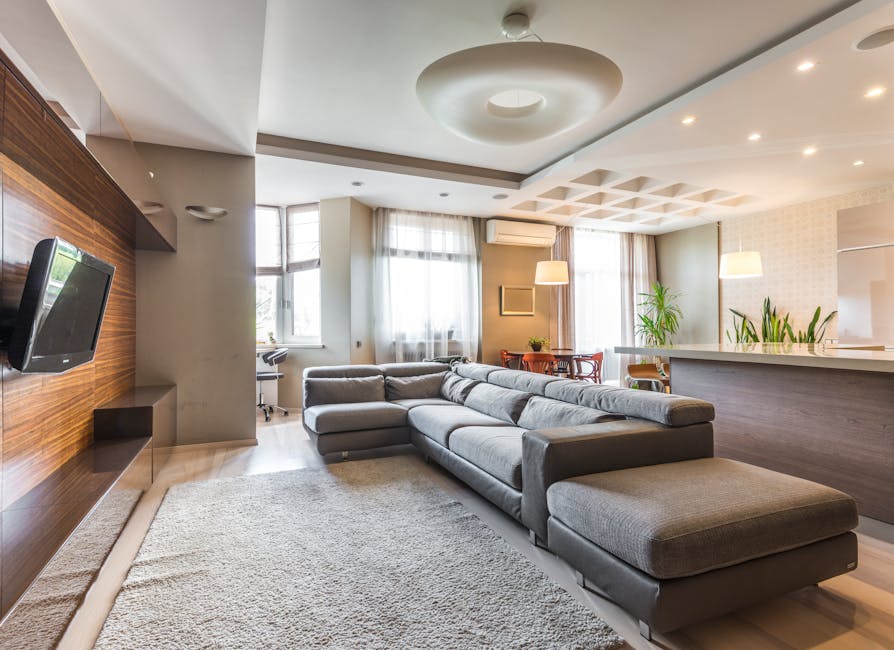
L-shaped sectional layouts benefit from large rectangular rugs that can accommodate the entire seating area. A 9'x12' or 10'x14' creates the perfect foundation for most sectional arrangements, while ensuring the rug doesn't disappear beneath your furniture.
For traditional facing sofa arrangements, your rug should comfortably fit both pieces with additional space for side tables and walking paths. An 8'x10' typically works for standard sofas, while oversized sectionals may require upgrading to a 9'x12' for proper proportion.
Conversation pit setups with multiple seating pieces arranged in a circle or square benefit from round rugs or large square options. Round rugs measuring 8' to 10' in diameter create intimate gathering spaces that encourage conversation and connection.
Open-concept spaces require extra consideration for zone definition. Your living room rug should clearly delineate the seating area from dining or kitchen spaces without creating jarring transitions. Consider how your rug choice affects sightlines and traffic flow throughout your home's connected spaces.
Visual Impact and Room Proportion Mastery
The psychological impact of proper rug sizing cannot be overstated. A correctly proportioned rug makes your room feel larger, more expensive, and infinitely more sophisticated than spaces with poorly sized floor coverings.
Small rooms benefit from rugs that nearly fill the entire space, leaving only 12-18 inches of exposed flooring around the perimeter. This technique creates the illusion of expanded square footage while maintaining visual cohesion. Avoid tiny rugs that float in the center—they'll make your space feel cramped and poorly planned.
Large rooms require substantial rugs to prevent furniture from appearing lost in space. Your rug should create intimate conversation areas within the broader room, effectively "shrinking" oversized spaces to human scale. Multiple rugs can define separate zones in expansive open-concept areas, but maintain consistent style elements to prevent visual chaos.
Consider your room's architectural features when selecting size. High ceilings can handle larger rugs that might overwhelm standard 8-foot ceiling heights, while long, narrow rooms benefit from runners or rectangular rugs that emphasize the space's natural proportions rather than fighting against them.
Research from the Houzz design community reveals that homeowners consistently report higher satisfaction with their room's overall appearance when using properly sized rugs compared to those who selected smaller options to save money.
Modern Style Trends and Size Considerations
Contemporary design trends favor bold, statement-making rugs that command attention and anchor sophisticated color palettes. The minimalist movement has paradoxically led to larger rug preferences, as expansive floor coverings create the clean, uncluttered aesthetic that defines modern luxury.
Scandinavian-inspired spaces embrace oversized rugs in neutral tones that blur the boundaries between floor and furniture. These rooms often feature rugs that extend well beyond furniture groupings, creating serene, cohesive environments that feel both spacious and intimate.
Industrial and contemporary styles benefit from geometric patterns and bold textures in substantial sizes. Large-scale patterns require adequate rug dimensions to display properly—a 9'x12' minimum ensures pattern repeats appear intentional rather than truncated.
The current trend toward layered rugs offers creative sizing solutions for budget-conscious decorators. Layer a smaller, patterned rug over a larger, neutral jute or sisal base to achieve custom sizing while adding textural interest that elevates your space's design sophistication.
Biophilic design principles encourage organic shapes and natural materials, making round and irregular-shaped rugs increasingly popular. These non-traditional shapes require careful size consideration to maintain balance with rectangular furniture pieces.
Budget-Conscious Size Selection Strategies
Achieving designer-level impact doesn't require unlimited budgets, but it does demand strategic thinking about rug investment priorities. Quality and proper sizing matter more than expensive materials when creating sophisticated living spaces.
Prioritize size over luxury materials initially. A well-sized synthetic rug creates better visual impact than a small, expensive wool option that disappears in your space. You can always upgrade materials later while maintaining proper proportions.
Consider rug pads as sizing tools. A high-quality pad can make a slightly undersized rug appear more substantial while providing the grip and cushioning that extend your rug's lifespan. This investment pays dividends in both appearance and durability.
Seasonal rug rotation allows experimentation with different sizes and styles without major financial commitment. Smaller accent rugs can refresh your space on a budget for specific seasons while your primary large rug provides consistent foundation throughout the year.
Interior design professionals at Architectural Digest consistently recommend investing in the largest rug your budget allows, as proper sizing contributes more to overall room success than premium materials in wrong proportions.
Conclusion
Selecting the right rug size transforms your living room from a collection of furniture into a cohesive, sophisticated space that reflects your discerning taste and attention to detail. The principles outlined here—understanding standard sizes, mastering furniture placement, considering room proportions, and staying current with modern trends—provide the foundation for creating a home that feels both luxurious and personally meaningful.
Remember that the perfect rug size serves your lifestyle while elevating your space's aesthetic appeal. Whether you choose an expansive 10'x14' statement piece or layer multiple smaller rugs for custom coverage, prioritize proper proportions over expensive materials. Your investment in correctly sized floor coverings pays dividends in daily enjoyment and long-term satisfaction with your home's design.
The confidence that comes from making informed design decisions extends far beyond rug selection. When you understand the principles that create visual harmony, you'll find yourself making bolder, more successful choices throughout your home. Your living room rug becomes not just a functional floor covering, but the foundation for a space that truly reflects your personal style and sophisticated design sense.