
Modern Interior Design Trends That Transform Your Space
The modern home has evolved into a sanctuary that seamlessly blends functionality with sophisticated aesthetics. As we navigate 2026, interior design continues to embrace bold statements while maintaining the clean lines and purposeful elements that define contemporary living. Whether you're refreshing a single room or designing an entire home, understanding these cutting-edge trends will help you create spaces that feel both timeless and thoroughly current.
Warm Minimalism: The New Standard of Luxury
Gone are the days when minimalism meant stark, cold spaces. Today's modern interiors embrace warm minimalism, a sophisticated approach that combines clean lines with inviting textures and carefully curated statement pieces. This trend focuses on quality over quantity, where each element serves both aesthetic and functional purposes.

The foundation of warm minimalism lies in selecting furniture with exceptional craftsmanship and timeless appeal. Think sleek dining tables in rich walnut, sculptural lounge chairs that double as art pieces, and storage solutions that blend seamlessly into your design scheme. The key is choosing pieces that make a statement through their design integrity rather than overwhelming decorative details.
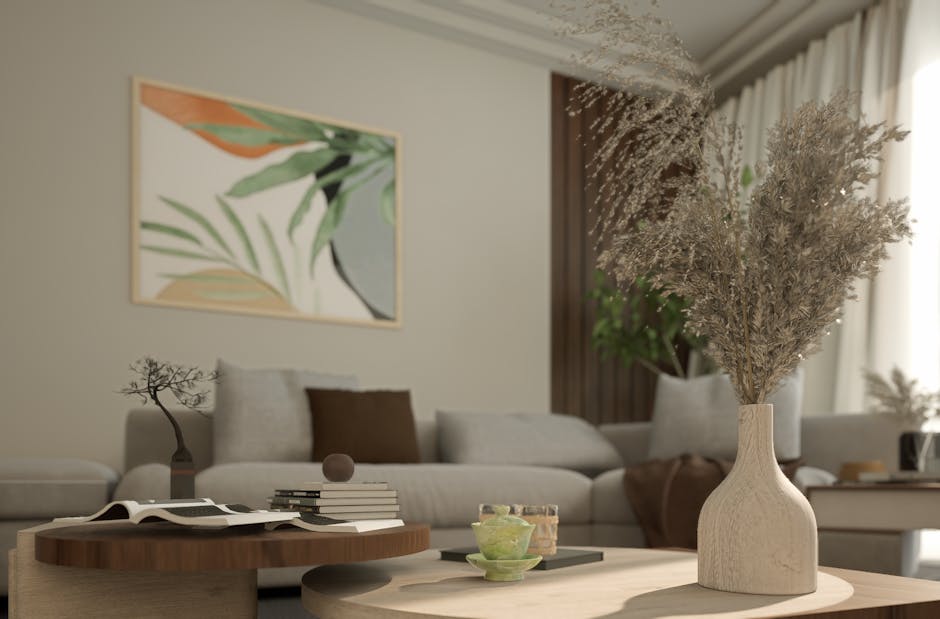
Textural elements play a crucial role in preventing minimalist spaces from feeling sterile. Incorporate organic materials like natural stone, raw wood, and woven fibers to add depth and warmth. A carefully placed ceramic vase with asymmetrical lines or a handcrafted throw blanket can transform a simple room into a sophisticated retreat that invites both relaxation and admiration.
Curved Architecture and Soft Geometry
Sharp angles are giving way to fluid, curved designs that create a sense of movement and organic flow throughout modern spaces. This trend extends beyond furniture to architectural elements, creating interiors that feel both contemporary and naturally harmonious.
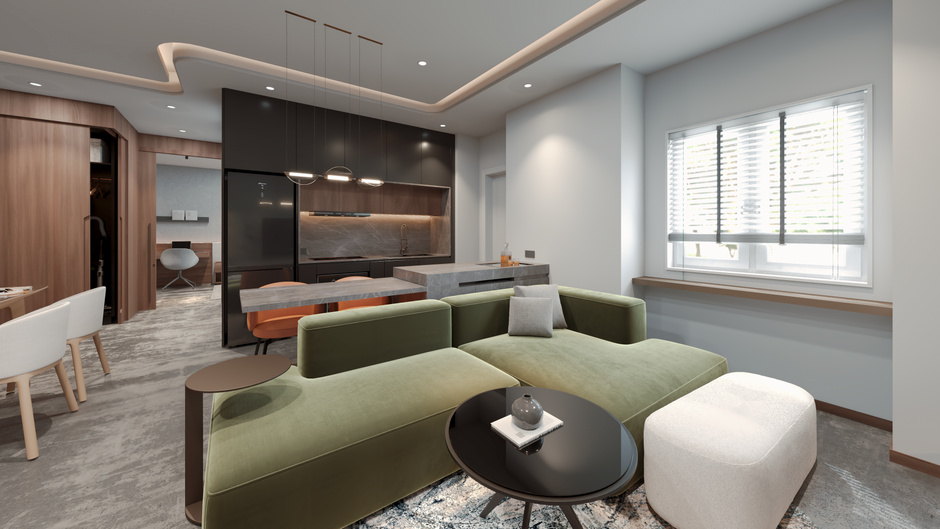
Curved sofas and sectionals have become the centerpiece of modern living rooms, offering both visual impact and improved conversation flow. These pieces create natural gathering spaces while serving as sculptural elements that elevate the entire room's aesthetic. Pair curved seating with round coffee tables and organic-shaped side tables to establish a cohesive design language that feels intentional and sophisticated.
Architectural curves extend to lighting fixtures, where pendant lights with flowing silhouettes and table lamps with rounded forms become functional art pieces. According to Architectural Digest, curved elements in interior design help create psychological comfort while maintaining the sleek sophistication that modern homeowners desire.
The beauty of curved design lies in its ability to soften spaces while maintaining contemporary elegance, creating homes that feel both cutting-edge and inherently welcoming.
Bold Color Psychology and Statement Accents
While neutral palettes remain foundational, modern design in 2026 embraces strategic color boldness that creates emotional impact and personal expression. The key lies in understanding color psychology and implementing vibrant hues through carefully chosen statement pieces rather than overwhelming applications.

Deep jewel tones like emerald green, sapphire blue, and rich burgundy are making powerful statements through accent furniture and decorative objects. A velvet emerald armchair or a collection of cobalt ceramic vessels can transform a neutral space into a dynamic environment that reflects personality and sophistication. These bold elements work best when balanced with calming neutral foundations.
The trend extends to artwork and decorative accessories, where vibrant pieces serve as focal points that energize entire rooms. Consider large-scale abstract paintings with bold color stories or sculptural objects in unexpected hues. These elements create conversation starters while demonstrating your confidence in personal style choices.
Metallic accents continue to play important roles, but the focus has shifted toward mixed metal applications that add complexity and visual interest. Combining warm brass with cool chrome, or introducing copper elements alongside traditional silver finishes, creates layered sophistication that feels current and intentional.
Sustainable Luxury and Conscious Design
Environmental consciousness has become inseparable from modern luxury, with sustainable materials and eco-friendly production methods driving design decisions. Today's discerning homeowners seek pieces that align with their values without compromising on aesthetic impact or quality craftsmanship.
Reclaimed and recycled materials are being transformed into stunning statement pieces that tell compelling stories. Reclaimed wood dining tables with live edges, recycled glass lighting fixtures, and furniture crafted from sustainable bamboo or cork demonstrate that environmental responsibility enhances rather than limits design possibilities.
The trend toward sustainability extends to textile choices, where organic cotton, hemp, and recycled fabric blends create luxurious comfort while supporting environmental goals. These materials often offer superior durability and unique textures that synthetic alternatives cannot match, making them both ethical and practical choices for modern homes.
Research from Dezeen indicates that consumers increasingly view sustainable design as a marker of sophistication and forward-thinking lifestyle choices, making eco-conscious pieces valuable investments in both environmental and aesthetic terms.
Technology Integration and Smart Aesthetics
Modern interiors seamlessly integrate technology without allowing it to dominate the visual landscape. Invisible technology and aesthetically pleasing smart home elements create spaces that are both highly functional and visually pristine.
Wireless charging stations built into furniture, hidden cable management systems, and decorative objects that double as smart speakers represent the evolution of technology integration. These solutions maintain clean visual lines while providing the connectivity and convenience that modern living demands.
Lighting technology has advanced to offer unprecedented control over ambiance and energy efficiency. Smart lighting systems that adjust color temperature throughout the day, integrated into sculptural fixtures that serve as design statements, create environments that support both productivity and relaxation while showcasing sophisticated design sensibilities.
The key to successful technology integration lies in selecting pieces where innovation enhances rather than overshadows aesthetic appeal. Look for products where technological advancement serves design goals, creating homes that feel effortlessly modern rather than overtly gadget-focused.
Artisanal Touches and Handcrafted Elements
In contrast to mass production, modern design increasingly celebrates unique, handcrafted elements that bring personality and authenticity to contemporary spaces. This trend recognizes that true luxury lies in exclusivity and the human touch that machine production cannot replicate.
Hand-thrown ceramics, artisanal textiles, and custom metalwork create focal points that spark conversation and demonstrate appreciation for craftsmanship. These pieces often become cherished elements that give homes distinctive character while supporting artistic communities and traditional making methods.
The trend extends to furniture selection, where pieces showing subtle imperfections and handmade qualities are prized over machine-perfect alternatives. A dining table with slight natural wood variations or a light fixture with individually shaped glass elements adds authenticity and warmth that perfectly complements modern design principles.
According to Wallpaper Magazine, the appreciation for artisanal elements reflects a broader cultural desire for authenticity and connection to traditional craft methods, making these pieces both aesthetically valuable and emotionally meaningful.
Creating Your Modern Sanctuary
Implementing these modern interior design trends requires thoughtful curation and confidence in personal style choices. The most successful modern interiors combine multiple trend elements while maintaining coherent design narratives that reflect individual personalities and lifestyle needs.
Start with foundational pieces that embody timeless modern principles—clean lines, quality materials, and purposeful design. Build layers through carefully selected accent pieces that incorporate trending elements like curved forms, bold colors, or artisanal touches. Remember that luxury lies not in accumulating objects, but in choosing pieces that enhance your daily experience while creating visually stunning environments.
The beauty of modern design trends lies in their flexibility and personal interpretation. Whether you gravitate toward warm minimalism, bold color statements, or artisanal elements, the key is creating spaces that feel intentional, upscale, and authentically yours. By understanding these trends and applying them with confidence, you can transform any space into a modern sanctuary that reflects your sophisticated taste and contemporary lifestyle.