
Designing an Open Concept Living Space
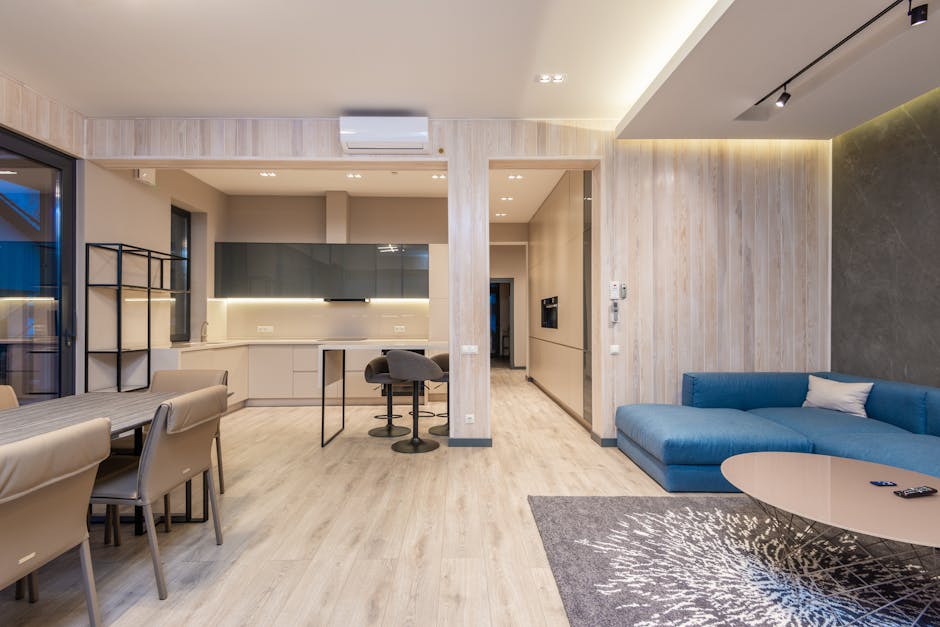
The open concept living space has revolutionized modern home design, creating fluid environments where kitchens, dining areas, and living rooms seamlessly flow together. This architectural approach doesn't just maximize square footage—it transforms how we live, entertain, and connect with family and friends. When executed thoughtfully, an open concept design becomes a sophisticated canvas for luxury décor that feels both intentional and effortlessly elegant.
Whether you're renovating an existing space or starting fresh, designing an open concept living area requires strategic planning, cohesive styling, and carefully curated pieces that work in harmony. The key lies in creating distinct zones while maintaining visual continuity throughout the entire space.
Creating Defined Zones Within Open Spaces
The art of open concept design lies in creating subtle boundaries without walls. Area rugs serve as your secret weapon for defining spaces—a plush, oversized rug anchors your seating area, while a sleek runner can delineate the dining zone. Choose rugs with complementary patterns or colors to maintain flow while establishing each area's unique character.
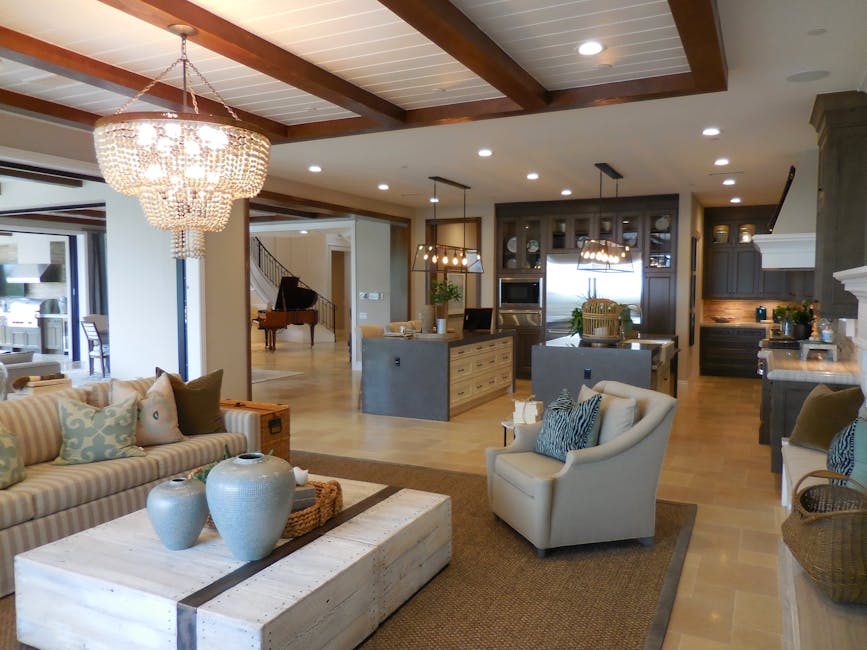
Furniture placement becomes crucial in zone creation. Position your sofa to face away from the kitchen, creating a natural barrier that defines the living area. A console table behind the sofa can serve double duty as a room divider and display space for statement décor pieces like sculptural vases or modern table lamps.
Strategic lighting design further enhances zone definition. Pendant lights over the kitchen island create vertical boundaries, while floor lamps and table lamps in the living area establish intimate lighting pools. Consider installing dimmer switches to adjust ambiance throughout the day, allowing each zone to serve different functions seamlessly.
Multi-functional furniture pieces become invaluable in open spaces. An elegant bar cart can serve as both a beverage station and room divider, while a beautiful bookshelf creates visual separation between living and dining areas while showcasing your personality through curated objects and books.
Mastering Color Schemes and Visual Flow
A cohesive color palette is essential for open concept success. Start with a neutral base—think warm whites, soft grays, or rich cream tones—that flows throughout the entire space. This foundation allows you to layer in accent colors through furniture, artwork, and accessories without overwhelming the eye.

The 60-30-10 rule works beautifully in open concepts: 60% neutral tones, 30% secondary colors, and 10% bold accents. For instance, if your space features white walls and light wood floors (your 60%), introduce navy or charcoal furniture pieces (your 30%), then add pops of emerald green or brass through pillows, artwork, and decorative objects (your 10%).
Consider the sight lines throughout your space. When standing in one area, what do you see in the others? Ensure that colors and textures complement rather than compete. A velvet sofa in the living area might echo the fabric on dining chairs, while metallic finishes should coordinate across all zones.
Texture plays an equally important role in visual flow. Mix materials strategically—pair smooth marble countertops with rough-hewn wood dining tables, or balance sleek metal fixtures with soft textile elements. This creates visual interest while maintaining sophistication.
Strategic Furniture Selection and Placement
Open concept spaces demand furniture that works harder and looks better. Every piece should serve a purpose while contributing to the overall aesthetic. Scale becomes critical—furniture that's too small will feel lost in a large open space, while oversized pieces can overwhelm and impede flow.

Start with your largest pieces first. A sectional sofa can define your living area while providing ample seating for entertaining. Choose one with clean lines and quality upholstery that coordinates with your overall color scheme. Position it to create natural conversation areas while allowing easy movement between zones.
Storage solutions become decorative elements in open concepts. A beautiful credenza can house dining linens while serving as a bar area. Floating shelves showcase carefully curated décor while keeping surfaces clutter-free. Ottoman storage pieces provide extra seating when entertaining while hiding everyday items.
Consider furniture with dual purposes. A dining table that extends can serve daily family meals and large gatherings. Nesting tables provide flexibility for entertaining while taking up minimal space when not needed. Bar stools at the kitchen island create casual seating while maintaining the open feel.
Traffic flow should guide placement decisions. Ensure clear pathways between zones, typically maintaining at least 36 inches of walking space. Avoid creating barriers that force awkward navigation around furniture pieces.
Lighting Design for Ambiance and Function
Lighting in open concept spaces requires layered thinking. You need ambient lighting for overall illumination, task lighting for specific activities, and accent lighting to highlight décor. This multi-layered approach creates depth and allows each zone to function independently while contributing to the overall ambiance.
Pendant lights become sculptural elements that define spaces while providing focused illumination. Choose coordinating fixtures that vary in size or height to create visual interest. Over the kitchen island, consider three smaller pendants or one large statement piece that becomes a focal point.
Table lamps and floor lamps add personality and warmth to living areas. Choose pieces with interesting bases—ceramic, brass, or natural wood—that complement your décor style. These portable light sources allow you to adjust illumination based on activities and time of day.
Natural light should be maximized and managed in open concepts. Large windows flood the space with light, but consider window treatments that provide privacy and light control. Motorized blinds or elegant curtain panels can be adjusted to create different moods throughout the day.
Don't overlook accent lighting. LED strip lights under cabinets create ambiance in the kitchen, while picture lights highlight artwork. Candles and decorative lighting fixtures add romance and warmth during evening entertaining.
Incorporating Statement Pieces and Décor
Open concept spaces provide the perfect backdrop for showcasing statement pieces that reflect your personal style. Large-scale artwork creates focal points and anchors different zones. A dramatic piece above the sofa draws attention to the living area, while a collection of smaller works can define the dining space.
Sculptural elements add dimension and personality. A striking floor sculpture in a corner, an oversized ceramic vase on the dining table, or a collection of decorative bowls on the kitchen island all contribute to the space's visual narrative.
Plants and greenery bring life and natural elements into open concepts. Large floor plants like fiddle leaf figs or snake plants create vertical interest, while smaller plants can be grouped on surfaces throughout the space. Consider hanging plants to draw the eye upward and emphasize the space's vertical volume.
Mirrors strategically placed can enhance the sense of space and light. A large mirror in the dining area reflects light from windows while making the space feel larger. Decorative mirrors become artwork while serving practical purposes.
Textiles add warmth and comfort to open concepts. Throw pillows on sofas can introduce seasonal colors or patterns, while blankets draped over chairs create inviting moments. Window treatments soften hard architectural lines while providing privacy and light control.
Maximizing Storage and Organization
Open concept living requires strategic storage solutions that maintain the clean, uncluttered aesthetic while keeping everyday items accessible. Built-in storage becomes especially valuable, providing ample space while maintaining clean lines.
Kitchen storage sets the tone for the entire space. Since the kitchen is visible from all areas, organization becomes critical. Beautiful canisters, coordinated dishes, and attractive small appliances contribute to the décor while serving practical purposes.
Living area storage should be both functional and beautiful. Media consoles with closed storage hide electronics and cables while providing display space on top. Bookcases showcase collections while storing items out of sight in closed compartments.
Dining area storage can be integrated into furniture pieces. A sideboard or buffet stores linens, serving pieces, and seasonal items while providing a surface for decorative displays. Choose pieces with interesting details or finishes that contribute to the overall design scheme.
Consider vertical storage solutions that draw the eye upward. Tall bookcases, floor-to-ceiling cabinets, and floating shelves maximize storage while emphasizing the space's height.
Creating Your Dream Open Concept Space
Designing an open concept living space is about creating harmony between form and function, luxury and livability. The key lies in thoughtful planning, cohesive styling, and selecting pieces that work beautifully together while serving your lifestyle needs. Remember that successful open concept design feels intentional rather than accidental, with each element contributing to a unified whole.
By focusing on zone definition, color coordination, strategic furniture placement, layered lighting, statement décor, and smart storage solutions, you can create an open concept space that feels both sophisticated and welcoming. The result is a home that not only looks magazine-worthy but also enhances how you live, work, and entertain in your daily life. Your open concept space should reflect your personal style while providing the functionality modern life demands—creating a luxurious environment that feels effortlessly elegant and utterly livable.