
Decorating With Mirrors to Make Space Look Bigger
In today's world of compact urban living and rising real estate costs, making the most of every square foot has become both an art and a necessity. Whether you're working with a studio apartment, a narrow hallway, or simply want to enhance the spaciousness of any room, mirrors offer one of the most powerful and elegant solutions available. These reflective surfaces don't just serve a functional purpose—they're transformative design elements that can double your perceived space, amplify natural light, and create stunning visual depth that makes even the smallest rooms feel luxuriously expansive.
The magic of mirrors lies in their ability to trick the eye and manipulate perception. When strategically placed, they create illusions of space that can turn a cramped corner into an airy retreat or a narrow room into a grand gallery. Modern mirror designs have evolved far beyond simple reflective surfaces, offering sophisticated frames, unique shapes, and artistic elements that serve as statement pieces while maximizing your space's potential.
The Science Behind Mirror Magic: How Reflection Creates Space
Understanding the psychology and physics behind mirror placement is crucial for achieving maximum impact. Mirrors work by reflecting light and images, effectively creating a second dimension within your room. When you look into a strategically placed mirror, your brain processes the reflected space as an extension of the actual room, instantly doubling the visual square footage.

The key lies in positioning mirrors to reflect the most appealing and spacious areas of your room. A mirror that reflects a cluttered corner won't enhance your space—it will amplify the chaos. However, a mirror positioned to reflect an open area, a beautiful view, or architectural details creates the illusion of depth and continuity that makes rooms feel significantly larger.
Natural light plays a crucial role in this equation. According to interior design experts, mirrors that reflect natural light sources can make a room appear up to twice as bright and significantly more spacious. This effect is particularly powerful in rooms with limited windows or northern exposures where natural light is scarce.
The reflection principle works best when mirrors are placed perpendicular to windows rather than directly opposite them. This placement allows the mirror to capture and distribute light throughout the room without creating harsh glare or uncomfortable brightness that can actually make a space feel smaller and less welcoming.
Strategic Placement: Where to Position Mirrors for Maximum Impact
The placement of mirrors can make or break their space-enhancing effect. Understanding optimal positioning ensures you achieve the dramatic transformation you're seeking while maintaining the sophisticated aesthetic that defines modern luxury living.

Opposite Windows: Positioning a large mirror directly across from a window creates an immediate sense of having two windows, effectively doubling your natural light and creating the illusion of expanded wall space. This technique works particularly well in narrow rooms where you want to create width.
At the End of Hallways: Long, narrow hallways can feel like tunnels, but a strategically placed mirror at the end creates depth and prevents the space from feeling closed-in. Choose mirrors with interesting frames or unique shapes to add visual interest while expanding the perceived length of the corridor.
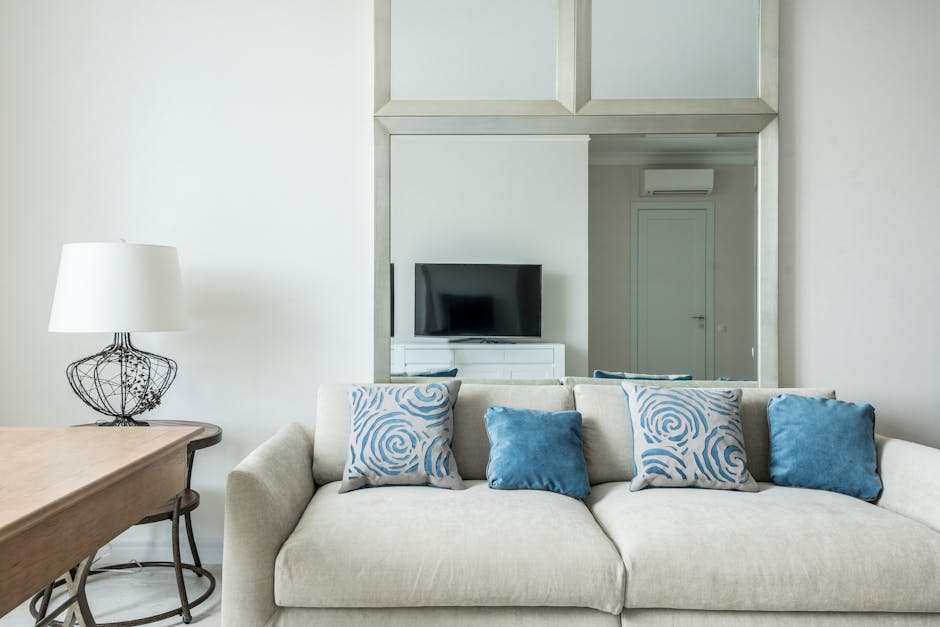
Behind Furniture: Placing mirrors behind key furniture pieces, such as sofas, dining tables, or bed headboards, creates layers of depth that make rooms feel more expansive. This technique is particularly effective in studio apartments where every piece of furniture needs to work harder to define different living areas. For more ideas on maximizing your living area, read our guide on stylish storage solutions for small homes.
Corner Positioning: Mirrors placed in corners can eliminate the visual "dead space" that corners often create. Two mirrors meeting at a corner can create an infinity effect that makes the room feel like it extends indefinitely in that direction.
The goal is to create reflections that enhance rather than compete with your existing decor, seamlessly integrating expanded space with sophisticated style.
Size Matters: Choosing the Right Mirror Dimensions
The size of your mirrors dramatically affects their space-enhancing capabilities. While it might seem counterintuitive to use large pieces in small spaces, oversized mirrors often provide the most dramatic transformation, creating bold statements that command attention while maximizing spatial illusion.

Floor-to-ceiling mirrors create the most dramatic impact, making ceilings appear higher and rooms feel exponentially larger. These statement pieces work particularly well in bedrooms and living areas where they can reflect significant portions of the room. Modern designs feature sleek, minimal frames that don't overwhelm the space while providing maximum reflective surface.
Gallery walls of smaller mirrors offer a different approach, creating visual interest while still enhancing space. This technique works well in dining areas and bedrooms where you want to add personality alongside spatial enhancement. The key is maintaining consistent spacing and choosing mirrors with complementary but not identical frames. For tips on combining different elements, consider checking out how to mix and match furniture styles.
For rooms with low ceilings, horizontal mirrors create the illusion of width, while vertical mirrors emphasize height. Interior design research shows that the most effective space-enhancing mirrors are at least 36 inches in their smallest dimension, providing enough reflective surface to create meaningful spatial illusion.
Frame Styles and Shapes: Modern Aesthetics That Maximize Space
Contemporary mirror design has evolved to offer sophisticated options that enhance both space and style. The frame you choose can either complement your space-expanding goals or work against them, making selection crucial for achieving the luxurious, modern aesthetic you desire.
Frameless mirrors provide the cleanest look and maximum reflective surface, creating seamless integration with your walls. These designs work particularly well in minimalist spaces where you want the mirror to disappear into the architecture while providing maximum spatial enhancement.
Thin metal frames in gold, brass, or black provide definition without bulk, maintaining the space-enhancing effect while adding sophisticated design elements. These frames complement modern furniture and can tie together different elements in your room's color palette.
Geometric shapes beyond traditional rectangles add visual interest while still providing space-enhancing benefits. Circular mirrors soften angular rooms, while hexagonal or octagonal designs create contemporary focal points that draw the eye and create depth.
Sunburst and starburst designs combine the reflective benefits of mirrors with artistic elements, creating statement pieces that serve dual purposes. These designs work particularly well in entryways and dining areas where you want to make a strong first impression while opening up the space.
The key is choosing frames that complement rather than compete with your existing decor. Mirrors should feel intentional and integrated, not like afterthoughts added to solve a space problem. For advice on decorating without overspending, check out our article on how to achieve a high-end look without spending a lot.
Creative Mirror Arrangements: Beyond Single Statement Pieces
Modern decorating embraces creative approaches to mirror placement that go beyond traditional single-piece installations. These innovative arrangements can create even more dramatic spatial transformations while adding sophisticated design elements that reflect your personal style.
Mirror clusters create dynamic focal points while maximizing reflective surface area. Arrange three to five mirrors of varying sizes in asymmetrical groupings, maintaining consistent spacing for a cohesive look. This approach works particularly well above sofas or in dining areas where you want to create visual interest alongside spatial enhancement.
Layered mirror arrangements combine different shapes and sizes to create depth and visual complexity. Start with a large base mirror and layer smaller pieces in front or to the sides, creating dimensional displays that draw the eye and create multiple reflection points throughout the room.
Mirrored furniture integration takes the space-enhancing concept beyond wall-mounted pieces. Coffee tables, side tables, and cabinet fronts with mirrored surfaces continue the spatial expansion theme while providing functional storage and display areas.
According to leading interior designers, the most successful mirror arrangements feel organic and intentional rather than formulaic. The goal is creating reflective surfaces that enhance your lifestyle while dramatically improving your space's perceived size and brightness.
Lighting and Mirrors: Amplifying Brightness for Spacious Ambiance
The relationship between lighting and mirrors creates some of the most dramatic space-enhancing effects available in interior design. Understanding how to optimize this relationship ensures your mirrors don't just reflect space—they actively create brighter, more welcoming environments that feel significantly larger than their actual dimensions.
Natural light amplification should be your primary focus when positioning mirrors. Place mirrors where they can capture and redistribute daylight throughout your space, paying attention to how light moves through your room at different times of day. Morning light from east-facing windows creates different effects than afternoon light from western exposures.
Artificial lighting strategy becomes crucial in rooms with limited natural light or during evening hours. Position mirrors to reflect table lamps, floor lamps, or overhead fixtures, effectively doubling your lighting's impact. This technique is particularly powerful in dining areas where ambient lighting creates intimate atmospheres while mirrors maintain the sense of spaciousness.
Avoid direct reflection of light sources, which can create harsh glare and actually make spaces feel smaller and less comfortable. Instead, position mirrors to capture the glow and ambient light that surrounds your fixtures, creating soft, diffused illumination that enhances spatial perception.
Candles and mirrors create particularly magical combinations, with flickering light creating dynamic reflections that add warmth and movement to your space. This approach works beautifully in bedrooms and living areas where you want to create romantic, luxurious atmospheres alongside expanded spatial perception.
Conclusion
Decorating with mirrors to enhance space represents one of the most effective and accessible approaches to transforming your living environment. These reflective design elements offer immediate impact, requiring no construction or major renovation while delivering dramatic results that make any room feel more luxurious and spacious.
The key to success lies in thoughtful placement, appropriate sizing, and selecting mirror styles that complement your existing decor while serving your space-expansion goals. Whether you choose a single statement piece, create dynamic groupings, or integrate mirrored elements throughout your space, the result should feel intentional and sophisticated—never like a desperate attempt to solve a spatial problem.
Modern mirror designs offer unprecedented opportunities to combine functionality with artistic expression, creating homes that feel both spacious and personally meaningful. By understanding the principles of reflection, light amplification, and strategic placement, you can transform even the smallest spaces into environments that feel grand, bright, and infinitely more luxurious than their actual square footage might suggest. If you're looking for more ways to enhance your home's aesthetic without a large investment, explore our tips on how to refresh a room on a budget.
Remember that the most successful mirror installations feel organic and integrated rather than imposed. Your mirrors should enhance your lifestyle while creating the spacious, sophisticated environment you desire—proving that luxury and functionality can coexist beautifully in any size space.