
Decorating Small Spaces: Transform Your Compact Home Into a Design Masterpiece
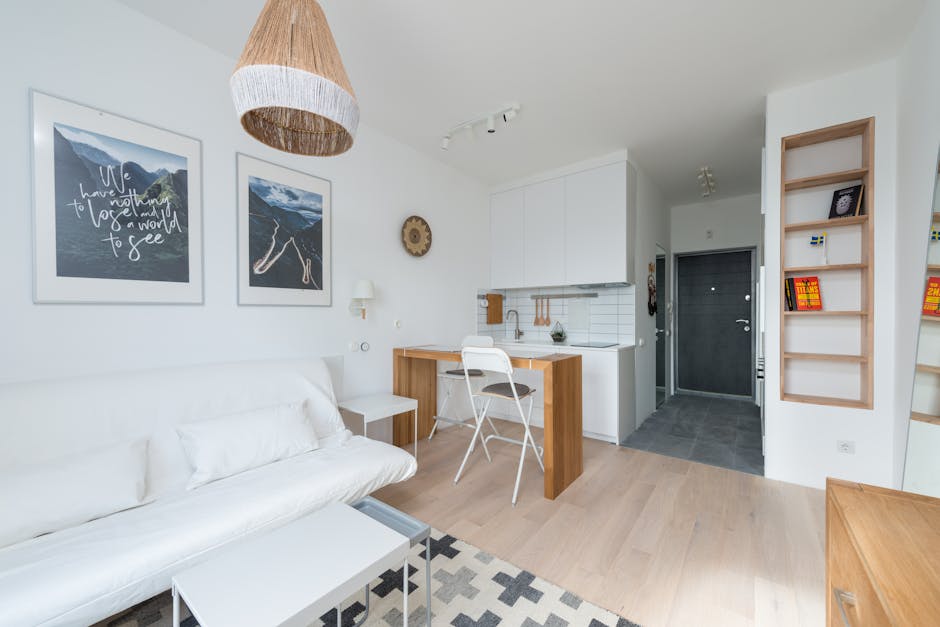
Small spaces don't mean small style. Whether you're working with a studio apartment, a cozy bedroom, or a compact living room, the right decorating strategies can transform even the tiniest areas into sophisticated, functional havens that rival larger homes. With thoughtful design choices and modern decor elements, your small space can become a stunning reflection of your personal style while maximizing every square inch.
The key to successful small space decorating lies in understanding that limitations often breed creativity. When you embrace the challenge of decorating compact areas, you discover innovative solutions that create visual impact, enhance functionality, and establish a sense of luxury that feels both intentional and effortless.
Maximize Vertical Space with Strategic Design Elements
One of the most powerful techniques in small space decorating is thinking vertically. Your walls are valuable real estate that can dramatically expand the perceived size of any room when utilized correctly. Floor-to-ceiling shelving units create the illusion of height while providing essential storage, making them both functional and visually striking.
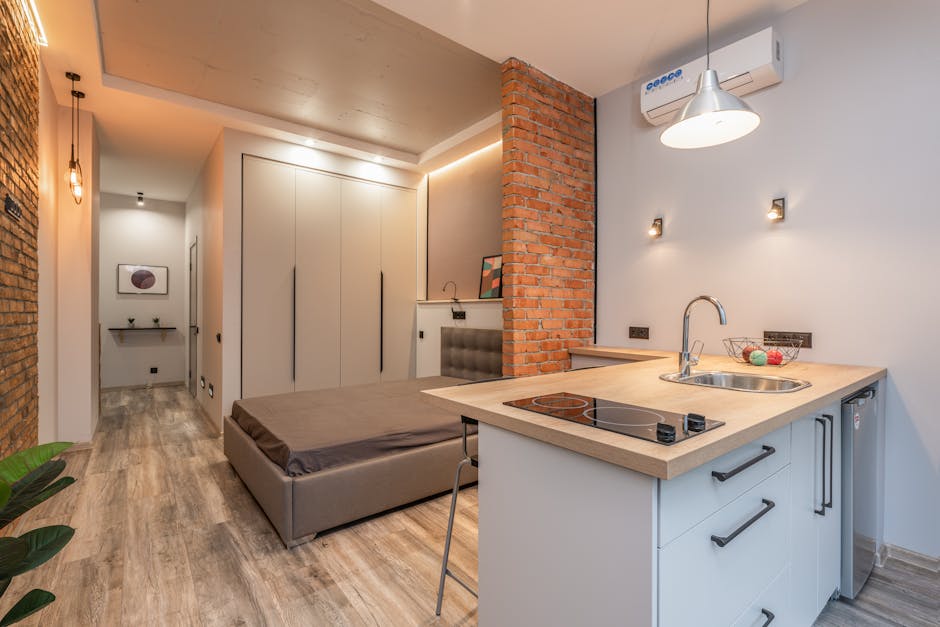
Consider installing floating shelves at varying heights to create dynamic visual interest. These modern elements draw the eye upward, making ceilings appear higher and rooms feel more spacious. Display a curated collection of books, plants, and decorative objects that reflect your personality while maintaining clean lines.
Tall, narrow furniture pieces work exceptionally well in small spaces. A sleek bookcase, an elegant floor lamp, or a narrow console table can provide functionality without overwhelming the room's proportions. These statement pieces become focal points that add sophistication while maintaining the open feel essential to small space success.
Wall-mounted lighting fixtures, such as sconces or pendant lights, free up valuable surface space while providing ambient lighting that enhances the room's atmosphere. This approach creates layers of light that make spaces feel larger and more inviting.
Create Illusions of Space Through Color and Light
Color psychology plays a crucial role in how we perceive space. Light, neutral palettes reflect natural light and create an airy atmosphere that makes rooms feel significantly larger. Whites, soft grays, and warm beiges serve as sophisticated backdrops that allow your furniture and decor to shine.

However, don't shy away from bold accent colors entirely. Strategic use of rich jewel tones or deep, moody hues on a single accent wall can create depth and drama without overwhelming the space. This technique, known as color blocking, adds visual interest while maintaining the open feel essential to small rooms.
Mirrors are perhaps the most effective tool for expanding small spaces visually. Large statement mirrors can double the apparent size of a room by reflecting light and creating the illusion of depth. Position mirrors opposite windows to maximize natural light reflection, or use them to create interesting sight lines that draw attention away from the room's actual dimensions.
Consider incorporating metallic finishes through decorative objects, picture frames, or lighting fixtures. Gold, silver, and brass elements reflect light beautifully, adding glamour while contributing to the space-expanding effect you're seeking.
Multi-Functional Furniture: Beauty Meets Practicality
In small spaces, every piece of furniture should earn its place by serving multiple purposes. Ottoman storage benches provide seating, surface space, and hidden storage all in one elegant package. These versatile pieces can hold everything from extra blankets to seasonal items while serving as additional seating when entertaining.
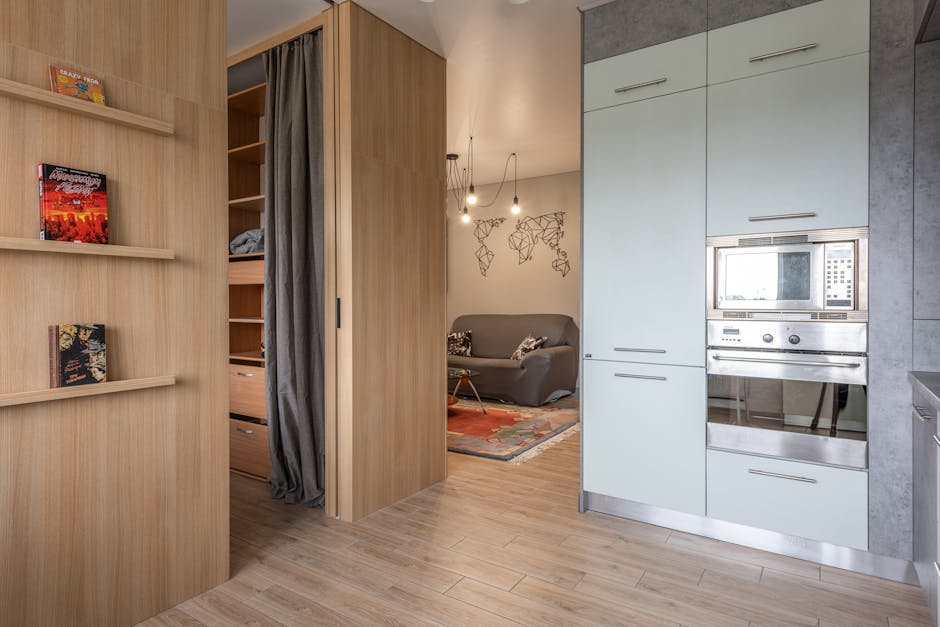
Nesting tables offer incredible flexibility, allowing you to expand surface space when needed and tuck them away when not in use. Look for sets with different heights and complementary finishes that create visual layering while maintaining functionality.
Convertible furniture has evolved far beyond basic futons. Modern sleeper sofas, expandable dining tables, and wall-mounted desks that fold away when not needed combine style with practicality. These pieces allow you to transform your space throughout the day, maximizing its potential without sacrificing aesthetic appeal.
According to Apartment Therapy's furniture solutions guide, investing in quality multi-functional pieces creates a more cohesive look than filling spaces with numerous single-purpose items.
Strategic Styling and Decor Placement
The art of small space decorating lies not just in what you include, but in how you arrange and display your chosen elements. Grouping decorative objects in odd numbers creates more dynamic visual arrangements than even-numbered groupings. This principle applies to everything from throw pillows to wall art collections.
Create visual breathing room by leaving some surfaces intentionally sparse. This doesn't mean your space should feel empty, but rather thoughtfully curated. Each decorative element should have purpose and contribute to the overall aesthetic narrative of your home.
Scale matters tremendously in small spaces. A few larger statement pieces often create more impact than numerous small objects, which can make spaces feel cluttered and chaotic. Consider a single large piece of artwork instead of a gallery wall, or choose one substantial plant rather than several small ones.
Texture plays a crucial role in creating visual interest without adding bulk. Incorporate varied textures through throw pillows, area rugs, window treatments, and decorative objects. This approach adds depth and sophistication while maintaining the clean lines essential to modern small space design.
Lighting Design for Small Space Impact
Proper lighting can transform any small space from cramped to cozy, from basic to breathtaking. Layered lighting is essential – combine ambient, task, and accent lighting to create depth and flexibility throughout your space.
Natural light should be maximized whenever possible. Avoid heavy window treatments that block light; instead, opt for sheer curtains or blinds that provide privacy while allowing maximum light penetration. If privacy isn't a concern, leaving windows completely uncovered creates the most open, airy feeling.
Table lamps and floor lamps add personality while providing functional illumination. Choose pieces with interesting shapes or unique materials that serve as decorative elements even when not illuminated. Dimmable options allow you to adjust the ambiance throughout the day, creating intimate evening settings or bright, energizing morning environments.
The Architectural Digest lighting guide emphasizes that strategic lighting placement can make small rooms feel dramatically larger and more luxurious.
Smart Storage Solutions That Enhance Style
Storage in small spaces should be both functional and beautiful. If you're looking for clever ways to keep clutter at bay, check out our guide on Stylish storage solutions for small homes. Built-in storage solutions create clean, custom looks that maximize every inch of available space. Even if built-ins aren't possible, furniture pieces that mimic this aesthetic can achieve similar results.
Under-bed storage containers, particularly those in attractive materials like woven baskets or sleek acrylic, keep necessities organized while maintaining visual appeal. Vertical storage systems in closets maximize hanging space and create better organization, making small closets feel more spacious and functional.
Display storage celebrates your belongings while keeping them organized. Beautiful books arranged by color, elegant containers for everyday items, and stylish baskets for quick cleanup solutions all contribute to a space that feels intentionally designed rather than cluttered.
Consider seasonal rotation of decorative elements and personal items. This approach keeps spaces feeling fresh while preventing accumulation of unnecessary objects that can make small areas feel overwhelming.
"The goal isn't to make your small space look bigger – it's to make it look and feel exactly right for the life you want to live in it."
Conclusion: Embracing Small Space Luxury
Decorating small spaces successfully requires a shift in perspective. Rather than viewing size limitations as obstacles, embrace them as opportunities to create incredibly thoughtful, purposeful environments that reflect your style with precision and intention.
The most beautifully designed small spaces feel curated rather than cramped, sophisticated rather than sparse. By implementing strategic color choices, maximizing vertical space, choosing multi-functional furniture, and creating thoughtful lighting schemes, you can transform any compact area into a stunning home that rivals much larger spaces.
Remember that luxury isn't about square footage – it's about quality, intentionality, and personal style. For example, learning How to achieve a high-end look without spending a lot can be incredibly beneficial. With the right approach, your small space can become a sophisticated sanctuary that feels both upscale and utterly personal.
Start with one room or even one corner, and gradually implement these strategies throughout your space. The House Beautiful small space design collection offers additional inspiration for creating maximum impact in minimal square footage.
Your small space has unlimited potential for style, functionality, and personal expression. If you're considering sprucing things up on a budget, take a look at these Tips for decorating a rental apartment to inspire your next project. Embrace the challenge, trust your instincts, and create a home that proves that great design isn't about size – it's about vision, creativity, and the confidence to make bold, beautiful choices.